
You might have heard it many times: “You are what you eat.” But hang on for a second, what does that actually mean inside your body? The importance of nutrition goes far beyond simply filling our stomach or counting calories. Every bite we take triggers a chain reaction at the molecular level. These signals guide how our cells make energy, how sharp our thinking feels, and even how focused we stay during that afternoon meeting.
Most people overlook nutrition because its impact is quiet and slow. You don’t feel your mitochondria struggling when you skip breakfast. You can’t see inflammation building up after months of ultra-processed foods. Still, these invisible changes add up. Over time, they shape our energy, mental clarity, immune response, and long-term health.
This article breaks down the science behind why nutrition matters so much. We’ll look at how nutrients power our cells, influence brain chemistry, and affect mood. We’ll also explore how food choices can either push disease ahead or help prevent it. Along the way, you will see the direct link between what’s on your plate and what’s happening in your neurons. By the end, one thing will be clear: food isn’t just fuel. It’s information, and it programs your biology every single day.
The True Importance of Nutrition in Human Health
Nutrition is not a trendy wellness buzzword. It is the foundation of survival, growth, and repair. Think of your body as a smart, self-fixing skyscraper. Every brick, beam, and wire has to come from outside sources. That entire supply system is nutrition.
Every process in our body depends on it. Heart beating, brain thinking, and our cells repairing themselves. All of it runs on a steady and personalized flow of nutrients. What you put in directly shapes what your body can do.
When we eat just to feel full, we satisfy hunger, but often ignore our cells. They don’t need volume; they need quality. But when we eat with purpose, everything changes. We deliver the right macronutrients like proteins, fats, and carbohydrates. At the same time, we supply essential micronutrients such as vitamins and minerals. As a result, the body doesn’t just function, it performs at its best.
Nutrition as the Essential Foundation
- Survival: It provides the energy for basic life functions like breathing and circulation.
- Growth and Development: It supplies the building blocks (amino acids and fats) for new tissues, especially critical during childhood and pregnancy.
- Repair and Maintenance: It gives the raw materials needed to fix damaged DNA, repair muscle tissue, and replace old cells.
Nutrition and Health at the Cellular Level
The fight for good health starts at the cellular level. Inside our body, there are trillions of cells, and each one works like a tiny city. These cells run complex systems every second. To keep everything running smoothly, they need a steady supply of clean, high-quality fuel and building materials.
1. How Nutrients Power Every Cell
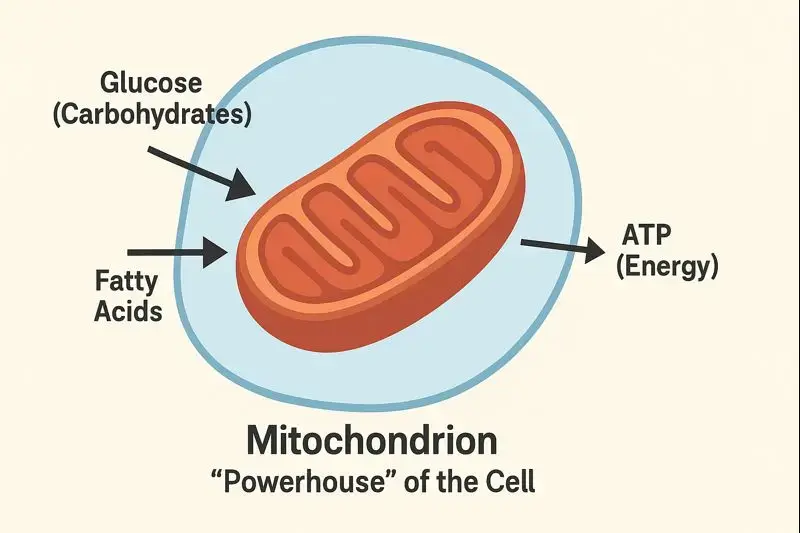
Every cell in our body depends on energy to function, and that energy comes straight from the food we eat. Nutrients like glucose, fats, and amino acids are broken down through cellular metabolism to make ATP. This molecule fuels almost every action inside our cells. When the body lacks high-quality fuel, cells don’t shut down. Instead, they run at a lower efficiency.
Inside each cell, mitochondria work as tiny power stations. When nutrition is balanced, they produce energy smoothly and effectively. However, when the diet is heavy in processed foods and low in essential micronutrients, this process slows down. As a result, energy production drops. You may feel tired, mentally slow, and less capable of repairing and renewing cells.
2. Nutrition, Inflammation, and Cellular Damage
Poor nutrition fuels oxidative stress, a harmful imbalance between free radicals and antioxidants in our body. Free radicals attack cell membranes, proteins, and even DNA. Over time, this speeds up aging at the cellular level and triggers chronic inflammation.
Luckily, antioxidants, vitamins, and minerals act as our body’s defenders, neutralizing this stress. Eating a diet rich in whole, nutrient-dense foods naturally supplies these protective compounds. But when deficiencies persist, cellular damage quietly builds up. This raises the risk of metabolic issues, neurodegenerative diseases, and a weakened immune system.
From Cells to Systems: How Nutrition Shapes the Entire Body
The collective health of our cells determines the function of our tissues, organs, and entire biological systems. Let’s explore them one by one.
1. Nutrition and Metabolic Health
Understanding cellular nutrition helps us to see how it impacts our entire body. Metabolic health, how well our body processes and stores energy, relies heavily on consistent nutrition and healthy habits.
Take an example of blood sugar regulation. When we eat carbohydrates, they break down into glucose, which enters our bloodstream. Our pancreas then releases insulin, a hormone that tells our cells to either use glucose for energy or store it for later. This system works seamlessly when we eat balanced meals with enough protein, healthy fats, and fiber.
Problems arise when we often eat refined carbs and sugars without enough protein or fiber. Blood sugar spikes sharply. Our pancreas pumps out lots of insulin. Over time, our cells start ignoring insulin’s signal, like someone tuning out a constantly ringing alarm. This insulin resistance is a key factor in type 2 diabetes and metabolic syndrome.
Poor metabolic health sparks a vicious cycle. Insulin resistance promotes fat storage, especially around organs. That fat releases inflammatory compounds, which further reduce insulin sensitivity. Meanwhile, our cells struggle to access glucose efficiently, leaving us tired even when energy is stored in our body.
Nutrition plays a crucial role here. Certain nutrients—chromium, magnesium, omega-3s, and plant polyphenols—boost insulin sensitivity. Adequate protein helps stabilize blood sugar by slowing glucose absorption. These effects are significant. Studies show that dietary changes alone can reverse prediabetes and improve metabolic markers, often without medication.
Long-term disease prevention depends on maintaining metabolic health throughout life. The eating habits we build today influence our risk of heart disease, stroke, and kidney problems. They also affect our risk of nerve damage and even cognitive decline decades from now.
2. Nutrition and the Immune System
Our immune system is our body’s defense network. It fights against infections, toxins, and abnormal cells. To work properly, it needs constant nutritional support. Immune cells have high energy demands, they multiply quickly, produce antibodies, and send inflammatory signals whenever a threat appears.
Proteins give our body the amino acids needed to build antibodies and immune cells. Vitamin A keeps our mucous membranes healthy, these are our first line of defense. Vitamin C boosts the function of phagocytes and lymphocytes. Furthermore, vitamin D regulates immune responses and prevents overactive inflammation. Zinc helps immune cells develop and communicate. Selenium powers antioxidant enzymes that protect our immune cells from damage during infections.
Here’s something many people don’t even realize: malnutrition can weaken immunity, even in adults who look well-fed. Diets low in key micronutrients, common with processed foods, slow your immune response. You may catch colds more often, take longer to recover, or suffer from low-grade inflammation that never fully disappears.
Our gut plays a huge role in immunity. About 70% of our immune system lives there. Beneficial gut bacteria, our microbiome, train immune cells to tell harmless substances from harmful ones. These bacteria rely on nutrients from our food, especially fiber. When fiber is low, good bacteria starve, harmful bacteria grow, and immune function drops.
Long-term nutrient deficiencies can lead to “immunosenescence,” or premature aging of the immune system. This makes us more prone to infections and reduces vaccine effectiveness. The answer isn’t pricey supplements. It’s simple: eat nutrient-rich whole foods consistently. Give our immune system the building blocks it needs, and it will stay alert and strong.
Check out detailed infographic here: Essential Nutrients Supporting Immune Function
Nutrition and Brain Function — The Missing Link
The brain might just be the hungriest organ in our body. It works non-stop and burns a huge amount of energy. This makes it highly sensitive to both the quality and consistency of the nutrients we provide.
1. The Brain’s Nutritional Demands
Our brain makes up just about 2% of our body weight, yet it burns around 20% of our energy. This huge demand exists because our brain never rests. It keeps us conscious, processes what we see and hear, controls vital functions, stores memories, and generates thoughts, all at the same time.
Unlike muscles, which can store glycogen for energy, our brain has almost no reserves. It relies on a constant supply of glucose from our blood. When blood sugar dips, whether from skipping meals or eating foods that spike and crash glucose, our thinking slows. You might feel foggy, distracted, irritable, or struggle to make decisions.
High energy use also produces oxidative stress, which can damage brain cells. Unlike many other tissues, neurons don’t regenerate easily. That’s why antioxidants from our diet are crucial for long-term brain health.
Most people don’t realize that our brain also needs specific fats to function. About 60% of our brain’s dry weight is fat. Neuron membranes and the myelin sheaths that protect nerve fibers rely on omega-3s, especially DHA. These fats influence how fast electrical signals travel, literally affecting how quickly we think and how well we remember.
Ultimately, everything about nutrition ties back to one core idea: your brain needs steady energy and the right nutrients to perform at its best.
Nutrients That Shape Brain Chemistry
Let’s examine specific nutrients that directly influence brain chemistry and cognitive performance:
Omega-3 Fatty Acids (EPA and DHA): These essential fats reduce neuroinflammation. They improve neurotransmitter function. They also support neuroplasticity, which is our brain’s ability to form new connections and adapt to new information. Low omega-3 levels correlate with depression, cognitive decline, and reduced learning capacity.
B-Vitamins (especially B6, B9/folate, and B12): These vitamins regulate homocysteine levels (high homocysteine damages blood vessels in the brain) and serve as cofactors in neurotransmitter production. Deficiencies impair the synthesis of serotonin, dopamine, and GABA, the chemicals that regulate mood, motivation, and calmness.
Iron: This mineral is essential for oxygen transport to the brain and for synthesizing neurotransmitters. Iron deficiency causes fatigue, poor concentration, and impaired memory, symptoms that appear long before anemia develops.
Iodine: Critical for thyroid hormone production, which regulates brain metabolism. Even mild iodine deficiency during development can permanently reduce IQ. In adults, it contributes to mental sluggishness and depression.
Choline: A precursor to acetylcholine, the neurotransmitter responsible for memory formation and muscle control. Adequate choline intake during pregnancy and early childhood directly affects cognitive development. In adults, it supports working memory and processing speed.
These nutrients work synergistically, meaning they are more effective together than isolated. This is why whole-food diets consistently outperform supplementation in research studies. The complex matrix of nutrients in real food provides compounds that enhance absorption and utilization in ways isolated supplements can’t replicate.
Key Nutrients for Optimal Brain Function and Cognitive Performance
| Nutrient | Brain Function | Food Sources |
|---|---|---|
| Omega-3 Fatty Acids EPA & DHA | Reduces neuroinflammation, improves neurotransmitter function, and supports neuroplasticity (brain’s ability to form new connections and adapt). Essential for memory and learning capacity. | Salmon, Sardines, Mackerel, Algae oil |
| B-Vitamins B6, B9 (Folate), B12 | Critical for neurotransmitter synthesis (serotonin, dopamine, GABA). Regulates homocysteine levels to protect brain blood vessels. Essential for mood regulation and mental clarity. | Eggs, Meat, Leafy greens, Legumes |
| Iron Essential mineral | Transports oxygen to the brain and supports neurotransmitter synthesis. Deficiency causes fatigue, poor concentration, and impaired memory long before anemia appears. | Red meat, Shellfish, Spinach, Lentils |
| Iodine Trace mineral | Essential for thyroid hormone production which regulates brain metabolism. Critical for cognitive development; even mild deficiency affects mental processing speed and mood. | Seafood, Iodized salt, Dairy, Seaweed |
| Choline Essential nutrient | Precursor to acetylcholine, the neurotransmitter responsible for memory formation and muscle control. Supports working memory and processing speed throughout life. | Egg yolks, Liver, Fish, Peanuts |
For readers wanting to explore the science of brain nutrition more deeply, Brain Food: The Surprising Science of Eating for Cognitive Power by Dr. Lisa Mosconi offers accessible explanations of how dietary choices affect everything from memory to Alzheimer’s risk.
Nutrition and Mental Health
People often talk about mental health but forget the basics: the body. What you eat directly shapes your mood and mental strength. A balanced diet fuels not just your body, but your mind too.
Food, Mood, and Emotional Stability
The link between nutrition and mental health is often overlooked. For years, mental health treatment focused mainly on therapy and medication, rarely considering how what we eat affects our brains and emotions.
Today, research shows that diet plays a major role in anxiety, stress, and mood. Blood sugar swings trigger a stress response, our body releases cortisol and adrenaline when glucose drops. This can cause anxiety and irritability, often mistaken for emotional stress.
Nutrient deficiencies also affect mood. Low omega-3s, vitamin D, magnesium, and B-vitamins are strongly linked to depression and anxiety. Studies show that correcting these deficiencies, through diet or supplements, can reduce symptoms, sometimes as effectively as medication for mild-to-moderate depression.
Nutrition impacts mental fatigue too. That foggy, exhausted feeling, even after enough sleep, often stems from low B-vitamins (needed for neurotransmitters), iron (needed for oxygen), or magnesium (needed for nerves and stress control). Unlike physical tiredness, mental fatigue only improves when nutrition improves.
Inflammation plays a role as well. Chronic, low-grade inflammation from poor diets can affect the brain, mood, and thinking. People eating lots of processed foods and refined sugars show higher rates of depression and anxiety. In contrast, whole-food diets rich in plants, fish, and fermented foods support mental well-being.
Nutrition isn’t a cure-all. Mental health depends on many factors. But diet should be a foundation, not an afterthought, in mental health care.
The Gut–Brain Axis Explained Simply
Our gut and brain remain in constant conversation through the gut-brain axis. This two-way system means our digestive health directly shapes our thoughts and emotions, while our mental state influences how our gut functions.
The process involves multiple pathways. Our gut has around 100 million neurons, more than our spinal cord, forming the “enteric nervous system.” These neurons produce many of the same neurotransmitters as our brain, including roughly 90% of our body’s serotonin. That’s right: the so-called “happiness chemical” mostly comes from our gut, not our brain.
Our gut microbiome, the trillions of bacteria living in our intestines, plays a starring role in this conversation. These microorganisms produce neurotransmitters, regulate inflammation, and send signals to our brain via the vagus nerve. When our microbiome is balanced and diverse, due to fiber-rich and varied plant foods, these signals help support clear thinking, stable moods, and healthy stress responses.
The microbiome can fall out of balance. This often happens due to antibiotics, chronic stress, or a diet high in processed foods and low in fiber. When this occurs, harmful bacteria produce compounds that trigger inflammation. They send distress signals to our brain. This disruption links to anxiety, depression, brain fog, and even conditions like ADHD or autism spectrum disorders.
This gut-brain connection explains why digestive issues and mental health problems often appear together. It also explains why improving gut health with probiotics, prebiotics (fiber that feeds good bacteria), and fermented foods can boost mood and mental clarity within weeks.
What Science Really Says About Nutrition
With so much conflicting information about nutrition, it’s worth examining what strong research consistently supports versus what remains speculative or debunked.
What Research Consistently Supports
Eating whole foods, like vegetables, fruits, legumes, whole grains, nuts, seeds, fish, and minimally processed items, consistently supports better health. This shows up across almost every measure: heart health, metabolism, brain function, longevity, and disease prevention.
Getting enough protein is very important. It helps keep muscle, keeps us full, supports metabolism, and boosts brain function at every age. Spread our protein intake throughout the day instead of eating it all at once.
Omega-3s from fish and algae benefit our brain, reduce inflammation, and protect our heart. Plant-based omega-3s (ALA) are helpful but don’t convert efficiently enough to provide the same level of benefits.
Micronutrients matter more than many realize. Even mild shortages of vitamins and minerals can sap energy, weaken immunity, and lower cognitive performance, long before obvious deficiency symptoms appear.
Finally, patterns matter more than individual foods. No single food or nutrient can make or break our health. Consistently choosing high-quality foods over time is what truly shapes outcomes.
Common Myths vs. Evidence-Based Conclusions
| ✕ MYTH | ✓ EVIDENCE-BASED FACT |
|---|---|
| Superfoods have magical healing properties Certain foods like açaí, kale, or turmeric can cure diseases or compensate for an otherwise poor diet. | No single food creates or destroys health While nutritious foods like berries and leafy greens are beneficial, they work as part of overall dietary patterns. No food possesses unique powers that override poor eating habits. |
| All processed foods are equally harmful Any food that has been processed in any way will damage your health and should be avoided completely. | Processing exists on a spectrum Minimally processed foods (frozen vegetables, canned beans) differ vastly from ultra-processed foods (packaged snacks with long ingredient lists). The latter correlates with poor health; the former supports nutritional adequacy. |
| Carbohydrates are inherently bad for you All carbs cause weight gain, spike blood sugar, and should be eliminated for optimal health. | Carbohydrate quality and context matter Whole food carbohydrates (sweet potatoes, oats, beans) provide fiber, vitamins, and sustained energy. Refined carbohydrates (white bread, sugary drinks) spike blood sugar and lack nutrients. Your body responds to these very differently. |
| Supplements can replace a balanced diet Taking vitamin pills and isolated nutrients provides the same benefits as eating whole foods. | Nutrients work synergistically in whole foods Nutrients interact and enhance each other’s absorption (vitamin C boosts iron, vitamin D needs magnesium). The complex matrix of compounds in real food can’t be replicated by isolated supplements. |
| You need a perfect diet to be healthy Health requires strict adherence to specific eating rules and elimination of entire food groups. | Consistency matters more than perfection The 80/20 principle works effectively—if 80% of your diet consists of nutrient-dense whole foods, the remaining 20% has minimal impact. Sustainable habits beat occasional perfection interrupted by restriction. |
Consequences of Poor Nutrition
Understanding what happens when nutrition is inadequate provides motivation to prioritize dietary quality without resorting to fear tactics.
1. Short-Term Effects
Poor nutrition can show its effects in just days or weeks. One of the first signs is low energy. When your cells don’t get the nutrients needed for efficient ATP production, you feel tired all the time, rest won’t fix it like normal fatigue does.
Next comes brain fog. Without a steady supply of glucose or the nutrients needed for neurotransmitters, your focus slips. You forget things easily, struggle to concentrate, and even small decisions feel exhausting.
Weakened immunity often follows. Frequent colds, slow-healing wounds, or lingering minor infections indicate your immune system lacks the proteins, vitamins, and minerals it needs to fight off illness effectively.
Mood swings, anxiety, and irritability are common too. Blood sugar spikes and nutrient gaps disrupt brain chemistry, making emotions harder to manage. Many people blame stress, but these issues often have a biochemical side.
Finally, digestive problems appear. Bloating, irregular bowel movements, and discomfort signal that your gut microbiome is struggling, usually from too little fiber or too many processed foods.
2. Long-Term Effects
The real danger of poor nutrition is how quietly it builds up over years before showing any signs.
Chronic diseases develop slowly. Type 2 diabetes doesn’t appear overnight, it grows from years of poor blood sugar control and insulin resistance. Heart disease forms as arteries sustain damage from inflammation and oxidative stress. The good news? These conditions are largely preventable with consistent, proper nutrition.
Cognitive decline also speeds up when the brain lacks protective nutrients over time. Studies show that what you eat in midlife can predict your dementia risk decades later. Even before memory slips, MRI scans reveal brain shrinkage linked to poor nutrition.
Bone health suffers too. Without enough calcium, vitamin D, magnesium, and protein over years, bone density drops. By the time osteoporosis is diagnosed, much of the damage is already done.
Your immune system ages faster as well. Poor nutrition weakens its ability to fight infections and detect abnormal cells, reducing cancer surveillance.
Why Symptoms Often Appear Slowly
The human body is incredibly adaptable. When nutrition falls short, it prioritizes vital functions, often at the expense of peak performance. You might run at only 70% of your potential for years without even noticing.
This ability is both a blessing and a curse. It helps you survive during scarcity, but it hides the slow damage caused by poor nutrition. By the time symptoms appear, serious harm may have already occurred, and some of it could be irreversible.
That’s why paying attention to nutrition early is so important. Waiting for health problems to show up means fixing issues from a weaker position, instead of preventing them from the start.
Simple Daily Habits to Improve Nutrition and Brain Health
Rather than overwhelming dietary overhauls, small consistent changes produce lasting results:
Start with protein at breakfast: Including 20-30 grams of protein in your first meal stabilizes blood sugar, reduces cravings, and improves focus throughout the morning. Eggs, Greek yogurt, or protein smoothies make this simple.
Eat vegetables with every lunch and dinner: This single habit ensures adequate fiber, vitamins, minerals, and phytonutrients. Frozen vegetables work perfectly fine and require minimal preparation.
Include omega-3 rich foods 2-3 times weekly: Fatty fish like salmon, sardines, or mackerel provide brain-protective fats. For plant-based alternatives, algae-based supplements offer EPA and DHA.
Prioritize sleep and hydration: While not technically nutrition, inadequate sleep and dehydration impair nutrient absorption, metabolism, and cognitive function. They’re foundational to getting results from good nutrition.
Reduce ultra-processed foods gradually: Rather than elimination, focus on replacement. Swap sugary cereals for oatmeal with fruit. Replace soda with sparkling water. These substitutions maintain satisfaction while improving nutritional quality.
Plan ahead for busy days: Having nutritious options readily available prevents default choices to convenient processed foods when time is limited. Batch cooking, pre-cut vegetables, and portable snacks support consistency.
The key is sustainability over intensity. Changes you can maintain for years matter infinitely more than dramatic transformations you abandon after weeks. Focus on building habits that fit your lifestyle, preferences, and schedule.
For practical implementation, How Not to Die by Dr. Michael Greger offers evidence-based guidance on incorporating disease-preventing foods into daily eating patterns.
Conclusion: Nutrition Is a Daily Investment in Your Brain and Body
The importance of nutrition extends far beyond the traditional focus on weight or appearance. Every meal is a choice. You can fuel your cells to work at their best, or leave them struggling. You can feed your brain for focus and clarity, or let it run low on essential nutrients. Furthermore, you can prevent disease, or let damage quietly build over time.
Small changes add up. Better focus this week, stable energy this month, lower inflammation this year, disease prevention over decades, these are the results of daily choices. The effort is small, but the impact is huge.
Start where you are. Pick one or two simple principles from this article and follow them consistently. Feel the difference as your cells get better nutrition, your brain balances, and your body systems optimize. That clarity, energy, and resilience? It’s your biology thanking you.
Your future health is written in every meal. Make each one count.
FAQ Section
Nutrition is important for overall health because it provides the raw materials every cell needs to function, repair, and generate energy. Without adequate nutrients, biological processes slow down or fail, leading to decreased energy, weakened immunity, poor cognitive function, and increased disease risk. Every system in your body—from your heart to your brain to your immune system, depends entirely on consistent nutritional support.
Nutrition affects brain function by supplying the glucose your brain needs for energy, the fats that form brain cell membranes, and the vitamins and minerals required to produce neurotransmitters. Nutrients like omega-3 fatty acids, B-vitamins, iron, and choline directly influence memory, focus, mood regulation, and cognitive processing speed. Poor nutrition impairs neurotransmitter production and increases inflammation, leading to brain fog, poor concentration, and increased risk of cognitive decline.
Yes, diet can significantly improve focus and memory by optimizing neurotransmitter production, stabilizing blood sugar, and reducing inflammation in the brain. Adequate protein intake, omega-3 fatty acids, B-vitamins, iron, and antioxidants all support cognitive performance. Many people notice improved mental clarity within weeks of addressing nutritional deficiencies and stabilizing blood sugar through balanced meals with protein, healthy fats, and fiber.
When the body lacks proper nutrition, short-term effects include low energy, brain fog, weakened immunity, mood instability, and digestive issues. Long-term consequences include chronic diseases like diabetes and heart disease, accelerated cognitive decline, bone density loss, and premature cellular aging. Because the body adapts to deficiencies gradually, symptoms often appear slowly, and significant damage may accumulate before obvious health problems emerge. Consistent nutritional inadequacy forces your body to operate at reduced capacity across all systems.
Recommended Resources for Curious Minds
Below are highly recommended Amazon resources for readers who wish to deepen their understanding of the science behind nutrition and brain health.
- Eat to Beat Disease by Dr. William Li: Explains nutrition through immune science and cellular health.
- Why We Sleep by Matthew Walker: While focused on sleep, this book reveals how nutrition, sleep, and brain health interconnect—essential reading for anyone optimizing cognitive performance.
- Food Rules: An Eater’s Guide to Healthy Eating by Michael Pollan Simple, memorable guidelines for choosing real food without complicated rules or tracking—perfect for making nutrition practical.
- Omega-3 Fish Oil Supplement (IFOS Certified): Supports brain chemistry and inflammation balance.
- Complete Multivitamin for Adults: Helps address common micronutrient gaps.
Note: As an affiliate, Learning Breeze may earn a commission from qualifying purchases made through the links above. This helps support our continued creation of high-quality, free content.