
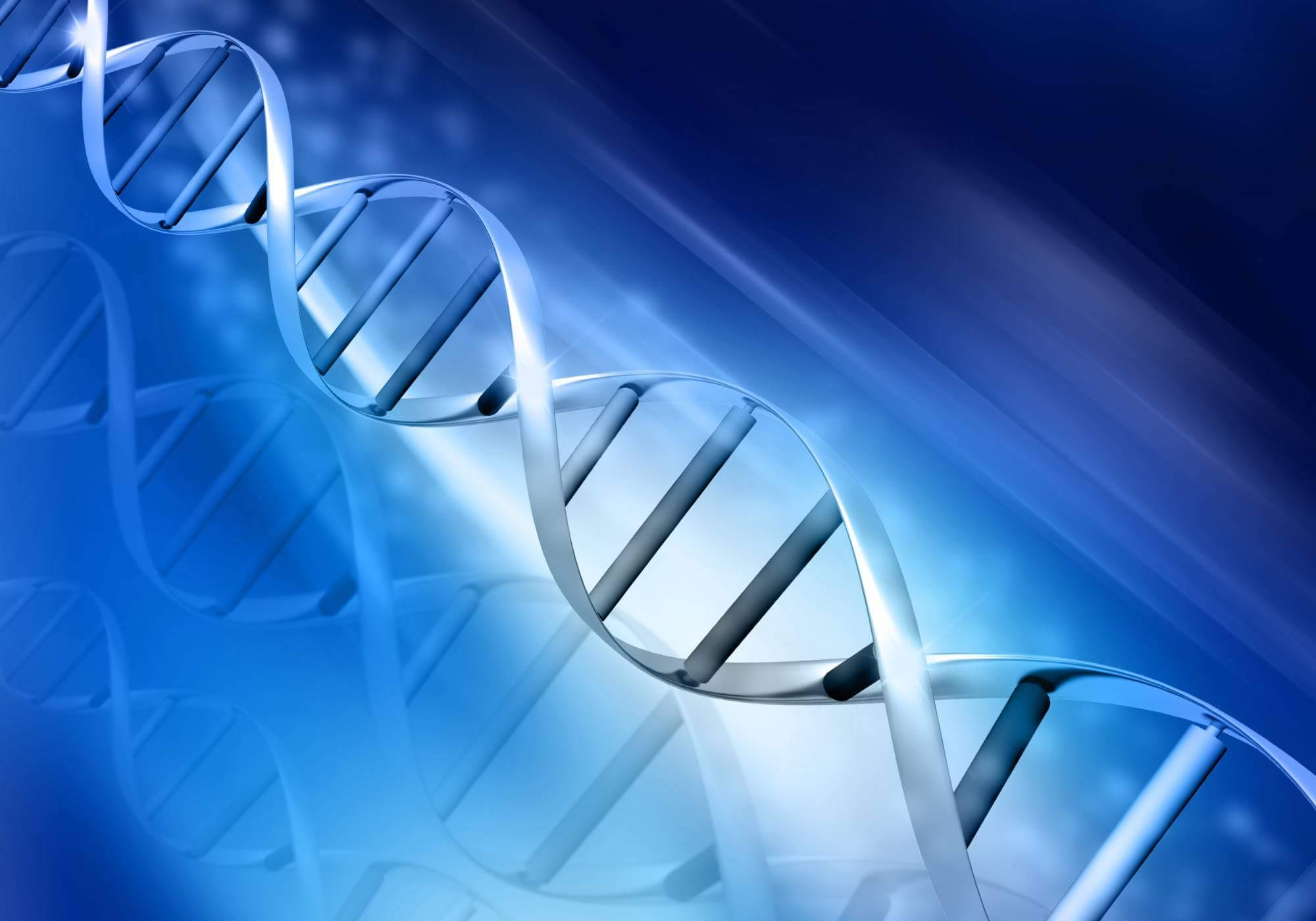
Imagine a device that can provide a detailed blueprint of your entire genetic makeup. It provides unprecedented insights into your health. Whole genome sequencing (WGS) is a really powerful tool. The WGS analyzes the complete DNA sequence of a person. It provides a comprehensive view of their genetic information. This opens the door to more accurate disease prevention and diagnosis. Whole genome sequencing is not just another technological advancement. It is reshaping the medical field. This approach allows scientists and doctors to examine the entire genome. They can see beyond just selected genes. This method makes it possible to identify genetic variations that can contribute to different health conditions. With this knowledge, healthcare professionals can tailor prevention strategies. They can also diagnose more effectively. How WGS Works Whole genome sequencing involves decoding all 3 billion base pairs of a person’s DNA. This method reveals both normal and rare genetic variants. Unlike traditional genetic tests that focus on specific genes, the WGS offers a comprehensive approach, highlighting potential genetic risks that may not be apparent in other ways. This in-depth analysis assists in identifying potential health issues, allowing for earlier intervention before they appear. Identifying Genetic Risks and Predispositions One of the major advantages of whole genome sequencing is its ability to identify genetic variants that can increase a person’s susceptibility to certain diseases. Equipped with this knowledge, healthcare providers can develop tailored prevention and early intervention strategies, empowering patients to take proactive steps to safeguard their wellbeing. The Impact on Disease Prevention Prevention is always better than cure. Whole genome sequencing plays an important role in identifying the genetic predisposition for diseases such as cancer, heart conditions, and rare genetic disorders. For example, if a patient has a family history of breast cancer, the WGS can identify specific genetic mutations associated with higher risk. This information enables healthcare providers to implement preventive measures, such as monitoring or lifestyle changes, significantly reducing the likelihood of disease onset. Advancing Diagnosis with Precision In terms of diagnosis, whole genome sequencing provides unparalleled accuracy. Traditional diagnostic methods may miss subtle genetic variations that may be significant for an accurate diagnosis. WGS, however, provides a complete picture, helping to diagnose complex genetic disorders that might otherwise go undetected. For example, patients with rare genetic disorders that present with a combination of symptoms may benefit from WGS by pinpointing the exact genetic cause, leading to a more accurate diagnosis and effective treatment plan. The Potential for Early Intervention Early detection is crucial when it comes to managing and preventing genetic based diseases. Whole genome sequencing equips healthcare providers with the tools to identify genetic markers and risk factors before symptoms even appear, allowing them to implement preventive measures and initiate timely interventions. Benefits Beyond Disease Management Whole genome sequencing also holds promise beyond immediate health benefits. It contributes to our understanding of human genetics, aid in research, and the development of new treatments. By providing detailed genetic information, WGS accelerates discoveries in genetics and personalized medicine, leading to more targeted and effective treatments. As the field of genomics continues to evolve, the integration of whole genome sequencing into mainstream healthcare is paving the way for a new era of personalized medicine. By tailoring treatment and preventive strategies to a person’s unique genetic profile, healthcare providers can optimize outcomes and reduce the risk of adverse reactions. Empowering individuals and healthcare providers The rise of whole genome sequencing has not only changed the medical landscape, but has also empowered individuals to take a more active role in their health. By understanding their genetic predispositions, people can make informed decisions about their lifestyle choices, preventive measures, and proactive steps to protect their wellbeing. Conclusion In this constantly changing world of healthcare, whole genome stands as a beacon of hope, offering earlier disease detection, personalized treatments, and the promise of a future where preventive measures are the norm rather than the exception. As we continue to unlock the mysteries of the human genome, the potential for whole-genome sequencing to revolutionize disease prevention and diagnosis is endless.
Your Practical Guide to DNA Synthesis: Starting with Genetic Sequences
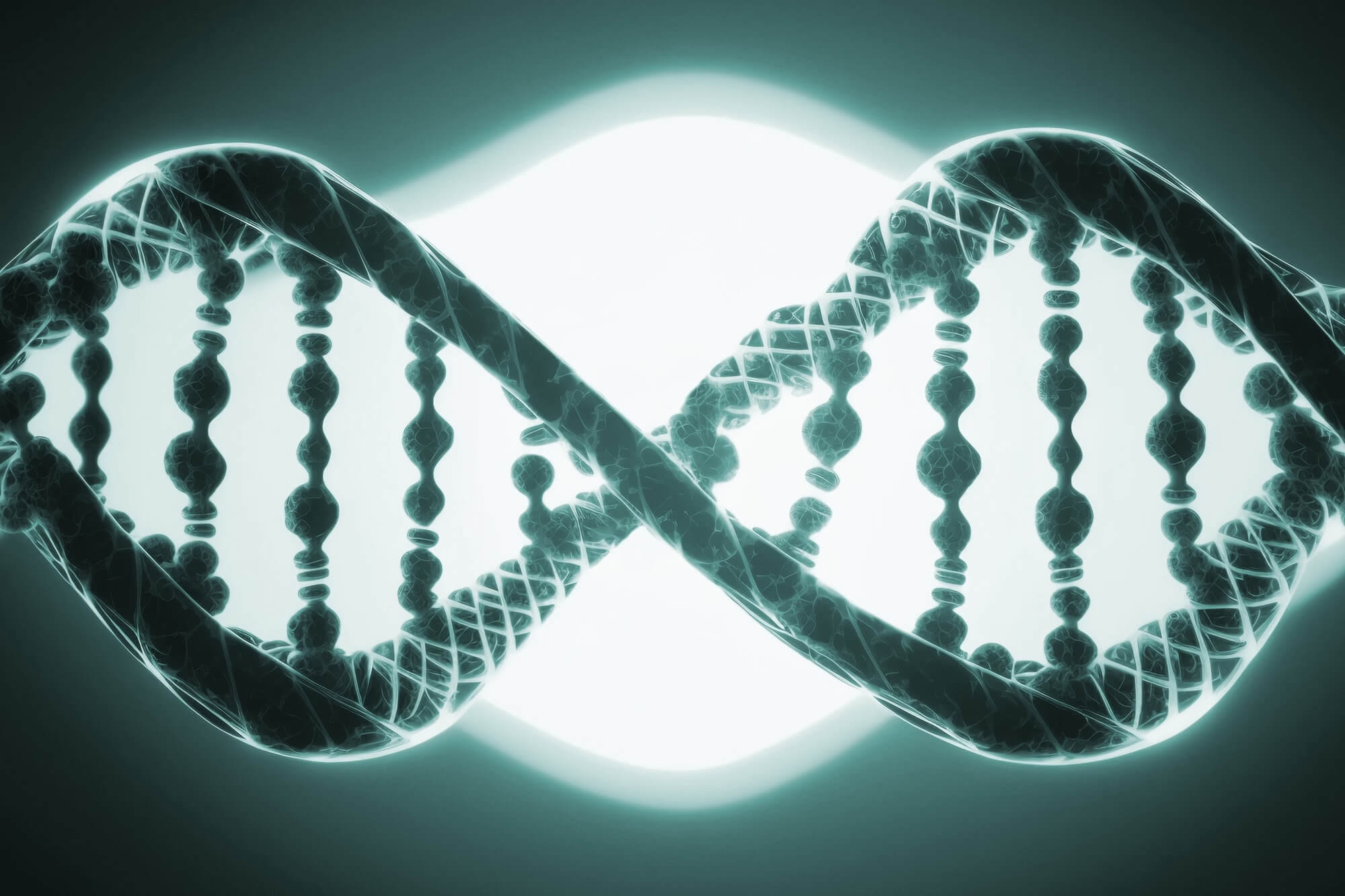
Jumping into the world of genetic sequences can feel like opening the door to a new frontier. DNA synthesis is a cornerstone in biotechnology and is more accessible today than ever. Whether you are a scientist, a student, or an enthusiast, understanding how to start with genetic sequences can open the door to groundbreaking discoveries. This guide will walk you through what is necessary while providing clear, actionable steps to get started with DNA synthesis, ensuring that your journey into genetic sequences is both informative and insightful. What Are Genetic Sequences? Genetic sequences are the strings of nucleotides A, T, C and G that form the DNA of all living organisms. These sequences act as blueprints for making proteins, which are essential for life. By synthesizing DNA, you can create these sequences artificially. This process allows you to study genes, develop new treatments, or engineer organisms for specific purposes. The Importance of DNA Synthesis DNA synthesis is not just for advanced laboratories anymore. Now you can use it to explore various applications, from researching gut microbiota to developing new disease treatments. Synthesizing genetic sequences allows you to investigate gene functions, create synthetic biology applications, and even develop personalized medicine. Today, DNA synthesis plays an important role in modern science. Getting Started with DNA Synthesis 1. Defining Your Genetic Sequence First, decide on the specific sequence you need. Whether you’re working on gut microbiome research or developing diagnostic tools, you need to have a clear idea of the genetic sequence required. You can use sequence databases and design software to create accurate sequences. 2. Choose a DNA Synthesis Method Next, select the appropriate DNA synthesis method. Options include solid phase synthesis, enzymatic synthesis, and automatic synthesizers. The choice depends on the complexity and length of your sequence. Solid phase synthesis often works best for short sequences due to its accuracy and efficiency. 3. Place Your Order Once you define your sequence and choose a synthesis method, you can order synthesized DNA from a commercial provider. Many companies like Gen Script offer custom DNA synthesis services, allowing you to focus on your project while handling the synthesis. 4. Verify and Control Quality After obtaining your synthesized DNA, it is necessary to verify the sequence. You can use techniques such as gel electrophoresis, mass spectrometry, and sequencing to confirm its accuracy. High quality DNA is important, especially when working on sensitive projects like gene therapy or microbiome research. 5. Apply Your Synthesized DNA Finally, you can use Verified DNA in your chosen application. Whether it is cloning, CRISPR gene editing, or studying the impact of the gut microbiome on health, having a reliable DNA sequence is foundational. Possible Challenges in DNA Synthesis Even with advancements in DNA synthesis, you may face challenges such as the complexity of contaminants, synthesis errors, or long sequences. Staying updated on the latest technology and using high quality reagents can help you overcome these hurdles. What Lies Ahead for Genetic Sequences DNA synthesis technology is rapidly improving. New developments make it faster, cheaper and more accurate. Artificial intelligence in sequence design, long read synthesis methods, and advancements in personalized medicine are just a few areas to look at. Whether your focus is on human health, microbiome research, or synthetic biology, mastering genetic sequences will put you on the cutting edge of scientific innovation. Conclusion Starting with genetic sequences and DNA synthesis offers an exciting pathway with enormous potential. From designing your sequence to applying it in research or therapy, each step is important. By following this guide, you can confidently begin your journey into the fascinating world of genetic sequences.

Tips and Tricks for Bacterial Fermentation in the Modern Kitchen
Imagine turning simple vegetables in your kitchen into tangy, probiotic rich delights. Bacterial fermentation is an old age technique and has grown its popularity among health-conscious foodies. Whether you are an experienced home fermentor or a curious newbie, we will guide you through the essential tips and tricks for successful fermentation. With attention to practical advice and easy to follow steps, you will soon enjoy homemade fermented foods that boost your gut health and enchant your taste buds. Benefits of Bacterial Fermentation Bacterial fermentation transforms everyday ingredients into exceptional health boosters. Firstly, by harnessing the power of bacteria, you can create delicious and nutritious foods in your kitchen. Moreover, fermented foods like sauerkraut, kimchi, and yogurt are packed with probiotics that support the gut microbiota. Additionally, these beneficial bacteria play an important role in maintaining a healthy gut microbiome, which, in turn, supports overall wellbeing. Consequently, incorporating fermented foods into your diet can significantly enhance your health. Choose the Right Ingredients For successful fermentation, start with high quality ingredients. Here is what to consider: Essential Equipments for Home Fermentation You do not need fancy equipment to ferment foods at home. In fact, basic equipment such as glass jars, fermentation weights, and airlocks will suffice. First and foremost, make sure your jars are clean and free of any soap residue, as these can interfere with the fermentation process. Additionally, a good set of measuring spoons and kitchen scales will help maintain consistency in your dishes. Role of Salt in Fermentation Salt plays a crucial role in bacterial fermentation. Specifically, it creates an environment where beneficial bacteria thrive while simultaneously inhibiting harmful bacteria. Furthermore, the exact amount of salt can vary depending on the recipe. However, a general rule is to use 2-3% of the vegetable’s weight in salt. Additionally, sea salt or pickling salt is preferable over table salt, which contains iodine and can affect the taste and texture of your fermentation. Temperature and Time Fermentation is a time sensitive process influenced by temperature. Most vegetables are best fermented at room temperature, around 65-75 °F (18-24 °C). Too hot, and increases fermentation speed, possibly leading to spoilage. Too cold, and the process slows down or stops. Check your fermentation daily and taste them to monitor their progress. A tart, sour taste indicates that they are ready. A Spicy Fermentation Adventure Want to level up? Then try your hand at kimchi. This Korean staple not only combines Napa cabbage with a delicious paste of gochutgaru (Korean red pepper flakes), garlic, ginger, and fish sauce, but also offers a fantastic fermentation process. Consequently, these bold flavors meld into a complex, spicy sour spice. Furthermore, you can experiment with adding carrots, radishes, or even fruit for unique variations. Resolution of common problems Even experienced fermentors face issues. For example, if your fermentation develops mold, it’s usually safe to remove the top layer. However, if mold penetrates deeper, you should discard it. Additionally, the slimy texture often results from very low salt concentrations or extremely hot temperatures. Therefore, adjusting these factors can prevent future problems. On the other hand, a foul odor indicates contamination, and in that case, the batch should be thrown away. Experimenting with Flavors Fermentation is not just about health benefits; moreover, it’s a culinary adventure. For example, you can experiment with different vegetables, spices, and herbs to create unique flavor profiles. Additionally, you might add garlic, ginger, or chili peppers to your sauerkraut for a spicy kick. Similarly, try incorporating oregano seeds in your fermented carrots for a hint of sweetness. Consequently, the possibilities are endless, and the results can be both surprising and delightful. Furthermore, each new combination offers a chance to discover exciting tastes and textures. Supporting Gut Health Adding fermented foods to your diet offers several benefits for your gut: Sharing happiness with others Fermentation is a communal activity. Share your creations with friends and family, and exchange tips and recipes. Join online communities and local workshops to connect with fellow fermentors. The joy of fermentation extends beyond the kitchen, fostering connection and spreading the benefits of this age-old practice. Final Tips for Successful Fermentation Patience and curiosity are your best allies in fermentation. So, don’t be afraid to try new things and learn from your experiences. Moreover, keep notes on your recipes and results to refine your process over time. Consequently, with each batch, you will gain confidence and skill, thus making fermentation an integral part of your culinary repertoire. Bacterial fermentation opens up a world of flavor and potential health benefits. Therefore, with these tips and tricks, you are well-equipped to start your own fermentation adventures. Additionally, remember, patience is key the best fermentation often develops its complex flavors over time. Ultimately, happy fermentation!
Impact of Gut Microbiota on Human Health and Disease
The gut microbiota consists of trillions of microorganisms vital for human health. It aids digestion, supports immune function, and influences mental well-being. Imbalances can lead to various health issues, including digestive disorders and mental health problems. Maintaining a balanced gut through diet and lifestyle is essential for overall health and wellness.