
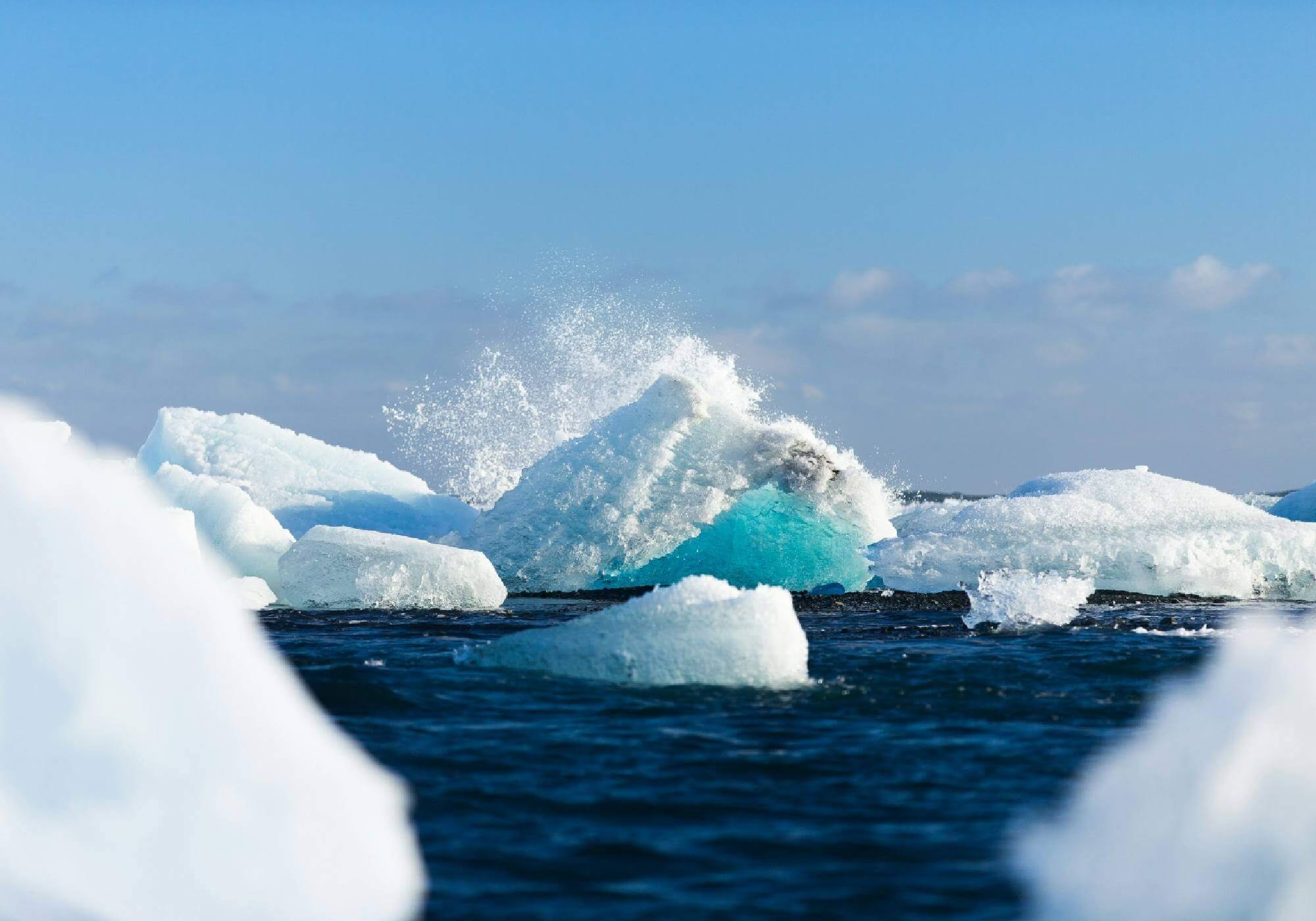
Climate change is rapidly changing our world. Rising sea levels are one of the most visible and dangerous consequences. As the oceans rise, there are impacts globally. Coastal erosion intensifies, and the entire community face displacement. We must take some action now. But why are the oceans rising? And what will be the impact on the future of our planet? Science Behind Rising Sea Levels Sea level is rising, and there are mainly two factors behind this rise: thermal expansion and melting ice. Understanding these causes is important to understanding the severity of the condition. Thermal Expansion As the temperature of our planet is rising, the oceans then absorb excess amount of heat. Different hidden forces, like the burning of fossil fuel, contribute to this temperature increase. As the warm water expands, causing sea levels to rise. This process, known as thermal expansion, and is responsible for a significant amount of the current rise in sea level. As the oceans warm, they expand more and more, gradually pushing water further towards the interior of a country. Melting Glaciers and Polar Ice Sheets Melting glaciers and polar ice sheets also contribute a large amount of freshwater to the oceans. This occurs in reaction to thermal expansion. Greenland and Antarctica, in particular, are losing ice at an accelerated pace due to rising global temperatures. This rapid flow of freshwater further raises sea levels, exacerbating the problem. Global Effects of Rising Sea Levels Rising sea level is a far-reaching effect that extend well beyond coastlines. Coastal cities and towns are at the leading edge of this crisis. Many of the world’s largest cities, including New York, Tokyo, and Mumbai, are located near the coast. These cities are likely to suffer from severe flooding. As sea levels rise, these cities will experience more frequent storms. The storms will be more intense and will cause costly damage. They will also threaten the lives of millions of people. Urban areas as well as small island nations face increasing vulnerability. Countries like the Maldives and Kiribati are already grappling with the severity of rising seas. Some islands become fully submerged within the next few decades. For these countries, rising sea levels are not just an environmental issue, but an existential matter. Moreover, the impact on ecosystems is also undeniable. Coastal habitats like mangroves, swamps, and coral reefs offer significant protection against storms. They also serve as nurseries for marine life. Sea levels are rising. These habitats are being eroded or submerged. This results in a loss of biodiversity and weakens the natural defenses that protect coastal communities. Economic and Social Implications The economic costs caused by rising sea levels are rising rapidly. Coastal infrastructure, including homes, roads, and ports, face an increased risk of damage from flooding and erosion. As the cost of repairs and reconstructions rises, the financial burden on governments and individuals becomes equally heavier. Insurers expect premiums for properties in vulnerable areas to rise. This increase makes it more expensive to live or work near the coast. Socially, the consequences are equally severe. Rising sea levels are already displacing communities, forcing people to leave their homes and seek shelter elsewhere. This migration often leads to overcrowding in urban areas, pressures on resources, and tensions between displaced populations and host communities. In some instances, entire cultures are endangered. Ways of life are at risk as people are forced to leave their ancestral lands behind. What Can Be Done? We need to tackle rising sea levels with a global strategy. We must take various actions that work together. This approach will effectively handle the problem. Reducing greenhouse gas emissions is urgently needed. These emissions are the main reason for global warming. They also cause sea level rise. Transitioning to renewable energy sources is crucial. We also need to improve energy efficiency. Protecting natural carbon sinks, like forests and wetlands, is essential in mitigating climate change. At the same time, adaptation strategies are necessary to protect vulnerable communities. Building resilient infrastructure, like sea walls and flood barriers, can help to protect coastal areas from the worst impacts. In some cases, managed retreat is necessary. This involves relocating communities away from high-risk areas. This strategy is essential to keep long term safety and stability. In addition, international cooperation is very significant. Rising sea levels are a global issue that requires collective action. Rich countries have significantly contributed to climate change. They bear the responsibility of actively supporting poor countries as they adapt to its impacts. This means offering financial support, sharing advanced technology, and bringing skill to disaster preparedness and response efforts. Global Responsibility and Action Rising sea levels are a reminder of the urgency of addressing climate change. The results are already being felt, and now is the time to act. By taking immediate and decisive action, we can slow sea level rise and protect our planet for future generations.
Top 5 Causes of Climate Change: Hidden Forces Behind
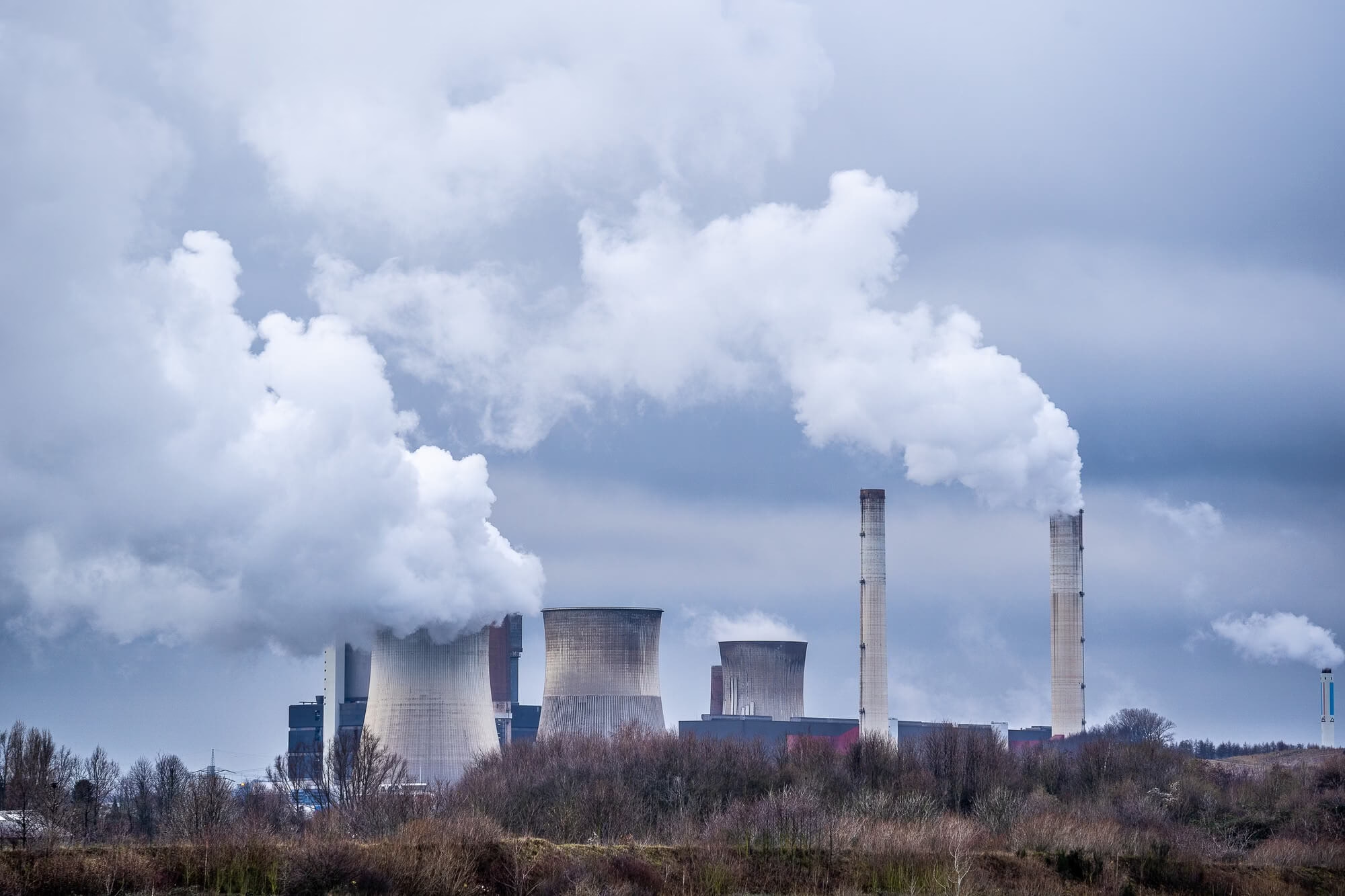
Earth’s climate faces unprecedented changes, driven by human activities. This is an indisputable reality, and the reasons are as complex as they are related. But understanding what motivates this phenomenon is the first step toward addressing it. Let’s examine the top 5 causes of climate change that demand our attention and action. 1. Human Activities Driving Climate Change Human actions are the primary force behind climate change. From the energy we consume to the food we eat. Our daily activities have a significant impact on the planet. Burning of Fossil Fuels Fossil fuels power most of the world’s industries, vehicles, and homes. However, burning coal, oil, and natural gas releases large amounts of carbon dioxide (CO2) into the atmosphere, trapping heat and increasing global temperatures. Industrial Processes Industries play an important role in climate change. The production of goods, chemicals, and materials releases CO2, methane, and nitrous oxide, which are all potent greenhouse gases. The energy-intensive nature of these processes increases their impact on the environment. 2. Land Use Changes and Climate Impact How we use land has a direct impact on climate change. Turning forests into farmland or urban areas reduces the Earth’s ability to absorb carbon and alters natural ecosystems. Deforestation Forest acts as a natural carbon sink, absorbing CO2 and releasing oxygen. When forests are cut down for agriculture, logging, or urban development, stored carbon is released into the atmosphere, and the Earth loses one of its best defenses against climate change. Urbanization Expanding cities and infrastructure replace natural landscapes with concrete and asphalt, which absorb and retain heat. This change not only contributes to global warming but also disrupts the local climate and weather patterns. 3. Agriculture’s Role in Climate Change Agriculture is essential to human survival, but modern agriculture have significant environmental costs. The way we farm and produce food contributes to greenhouse gas emissions. Use of Synthetic Fertilizers The use of synthetic fertilizers in agriculture releases nitrous oxide, and other greenhouse gases. While these fertilizers help increase crop yields, their production and application contribute to climate change. Livestock Farming Raising livestock, especially cattle, generates large amounts of methane, a potent greenhouse gas. Additionally, land is often cleared for grazing, further exacerbating the loss of carbon absorbing forests. 4. Transportation’s Contribution to Climate Change The way we move goods and people around the world is another important cause of climate change. Transport relies heavily on fossil fuels, which contribute to a large portion of global emissions. Road Vehicles Cars, trucks, and buses mostly run on gasoline or diesel, both of which produce CO2 when burned. The global increase in vehicle ownership has led to rising emissions from road transport. Aviation and Shipping Airplanes and ships are also major contributors to climate change. Aviation emits CO2 at high altitudes, where its impact on the climate is greater, while shipping is responsible for the emission of large amounts of sulfur oxides and other pollutants. 5. Waste Management and Greenhouse Gas Emissions How we handle waste has a direct impact on the climate. Poor waste management practices contribute to the release of greenhouse gases. Waste Treatment Facilities Facilities that treat sewage and other waste streams also contribute to emissions, especially if they burn waste or use energy intensive processes. Landfills Organic waste in landfills decomposes and produces methane, a much more potent gas than CO2. Reducing waste and improving landfill management could significantly reduce methane emissions. Practical Advice to Combat Climate Change Now that we have identified the top 5 causes of climate change, here are some actionable steps we can take to reduce our impact: 1. Transition to Renewable Energy One of the most effective ways to combat climate change is to reduce our dependence on fossil fuels. And transition to renewable energy sources, such as solar, wind and hydropower, could significantly cut CO2 emissions. Individuals can support this transition by selecting green energy schemes, installing solar panels, and advocating for clean energy policies. 2. Advocate for Cleaner Industry Practices Industries need to adopt cleaner technologies and reduce their greenhouse gas emissions. As consumers, we can bring about changes by supporting companies that prioritize sustainability and use eco-friendly materials. Stand up for stricter environmental regulations that require industries to reduce their carbon footprint. 3. Reduce, Reuse, Recycle Reducing waste is critical in the fight against climate change. Adopt the principles of reduce, reuse, and recycle into your daily life. By recycling materials, reducing single use plastics and reusing items, you can help reduce demand for new products and the emissions associated with their production and disposal. Conclusion Climate change is a complex issue, but understanding the primary causes can encourage us to take action. By making informed choices and supporting sustainable practices, we can reduce our impact on the environment and help protect our planet for future generations.
Keystone Species | The Hidden Architects of Ecosystems
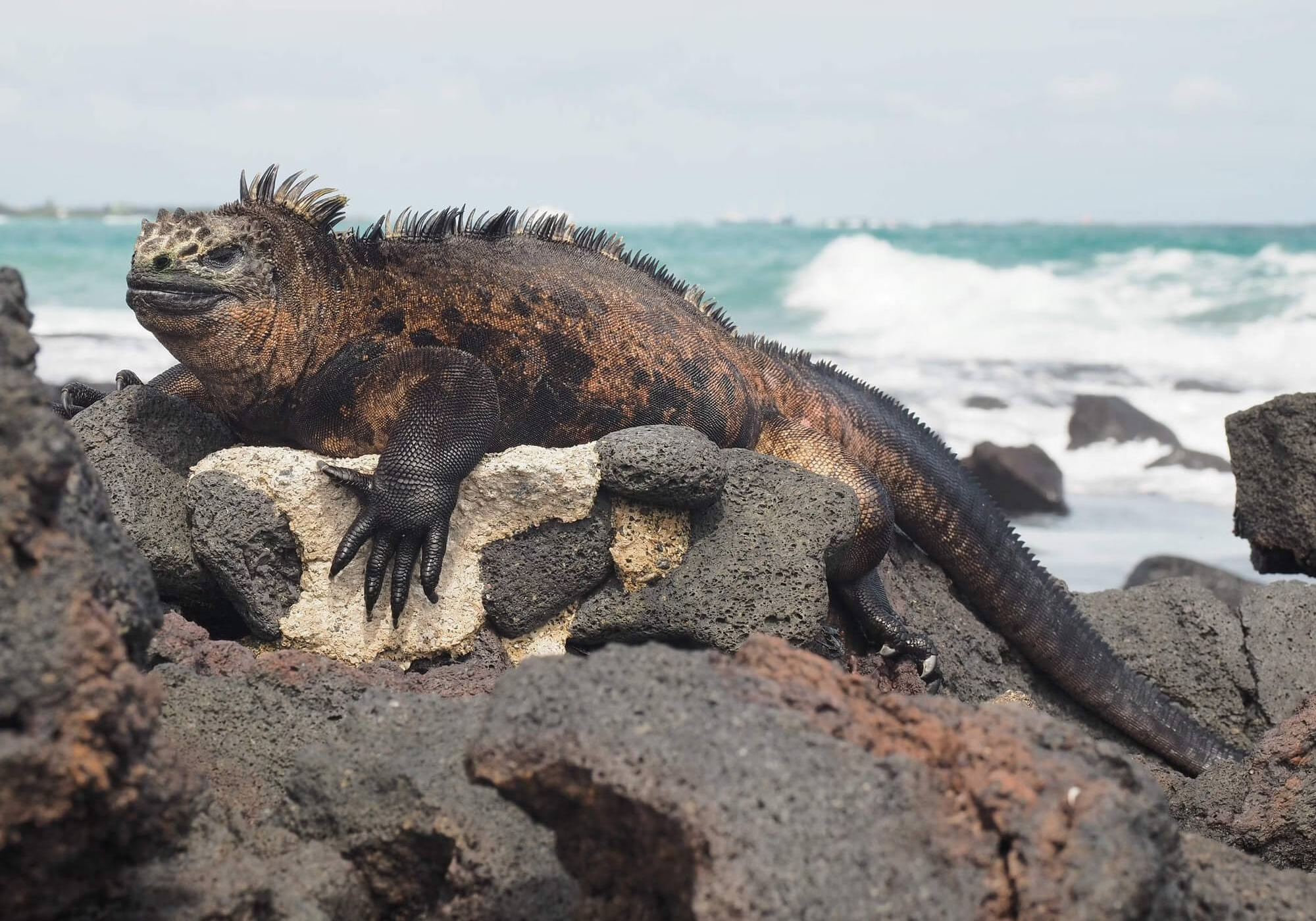
Keystone species shape entire ecosystems. From small creatures to large predators, these dominant species maintain the balance of nature. They control population levels, ensuring that other species thrive in their environment. When keystone species disappear, the impact spreads, leading to unpredictable consequences. It is essential to recognize their important role in conserving biodiversity and protecting the health of our planet. Role of Keystone Species in Ecosystems Keystone species are not always the most numerous or largest in an ecosystem, but they do have an external impact on their environment. These organisms serve as the glue that holds their ecosystems together. For example, sea otters are a keystone specie in coastal marine ecosystems. By hunting sea urchins, they prevent these organisms from grazing kelp forests, which are essential habitats for many marine species. Without sea otters, kelp forests would be depleted, leading to a loss of biodiversity and disruption of the entire seafood web. Similarly, in terrestrial ecosystems, the presence of species can determine the health and structure of the environment. For example, wolves in Yellowstone National Park have had a profound impact since their reproduction. They have controlled populations of herbivores such as elk, allowing vegetation to recover and provide habitat for other animals. This cascade of impacts has strengthened the overall biodiversity of the park. How Keystone Species Shape Ecosystems Keystone species shape their environments in ways that far exceed their numbers. They act as ecosystem engineers, creating habitats and opportunities for countless other organisms. Take the beaver, for example. These hardworking rodents form dams that transform the landscape, creating wetlands that support a rich array of plants and animals. Predators as Ecosystem Guardians Top predators often serve as keystone species by keeping herbivorous populations under control. Wolves in Yellowstone National Park perfectly exemplify this role. Their reintroduction in 1995 triggered a cascade of positive changes throughout the ecosystem. By controlling elk numbers, wolves let the vegetation recover, which in turn benefited many other species. Plant Powerhouses Plants can also be keystone species. In coral reefs, some algae create the foundation of the entire ecosystem. These tiny photosynthetic organisms provide food and shelter for coral polyps, which kickstart the reef’s complex food chain. Ripple Effects of Keystone Specie Loss When keystone species disappear, ecosystems can rapidly unravel. The loss of sea otters along the Pacific coast of North America led to an explosion in populations of sea urchins that prey on them. Unchecked, these urchins destroyed kelp forests, disrupting the habitat of countless marine species. Protecting Keystone Species Public education also plays an important role in conservation. By raising awareness of the importance of species, we can inspire action and support for conservation initiatives. Additionally, scientific research continues to uncover the complexities of species interactions, helping to inform and refine conservation strategies. Future of Keystone Species Conservation As ecosystems face increasing threats from climate change, habitat destruction, and human activities, the role of keystone species becomes even more significant. Ensuring their survival is not just about preserving individual species, but about maintaining the integrity of entire ecosystems. By recognizing the importance of these species, we can take steps to protect them and, by extension, the diverse life forms that depend on them. In conclusion, keystone species are the foundation upon which ecosystems are built. Their conservation is essential to sustain biodiversity, ecosystem stability and the many services that nature provides to humanity. As we move forward, it is imperative that we prioritize the conservation of these important species, not only for them but for the health of our planet as a whole.
Is BRCA Gene Testing Right for You?
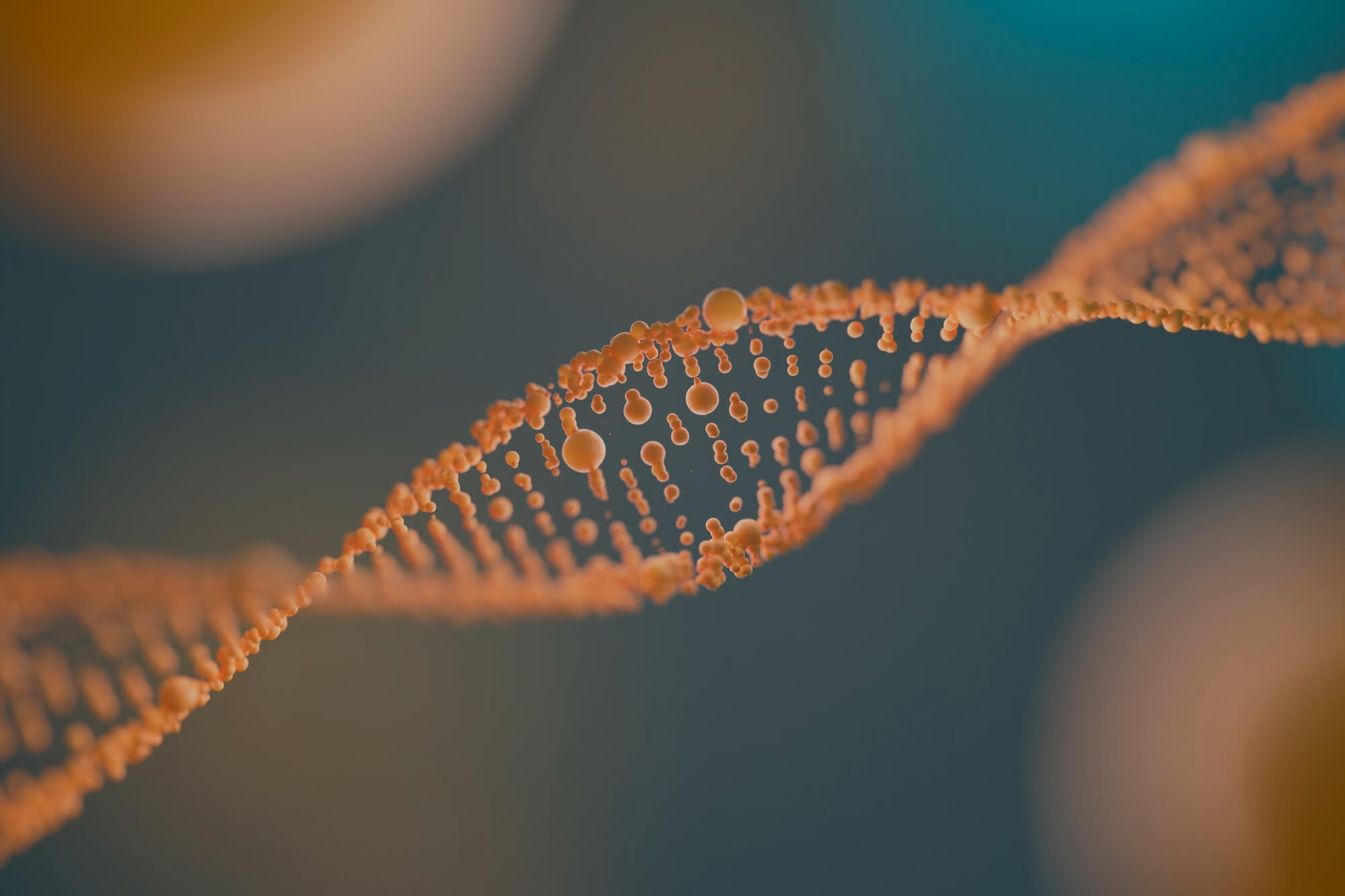
BRCA gene testing evaluates mutations in the BRCA1 and BRCA2 genes, which can significantly increase the risk of breast and ovarian cancers. Recommended for those with specific cancer histories, this test allows individuals to manage their health proactively, including enhanced screenings and preventive measures, ultimately guiding informed decision-making about treatment and prevention.