
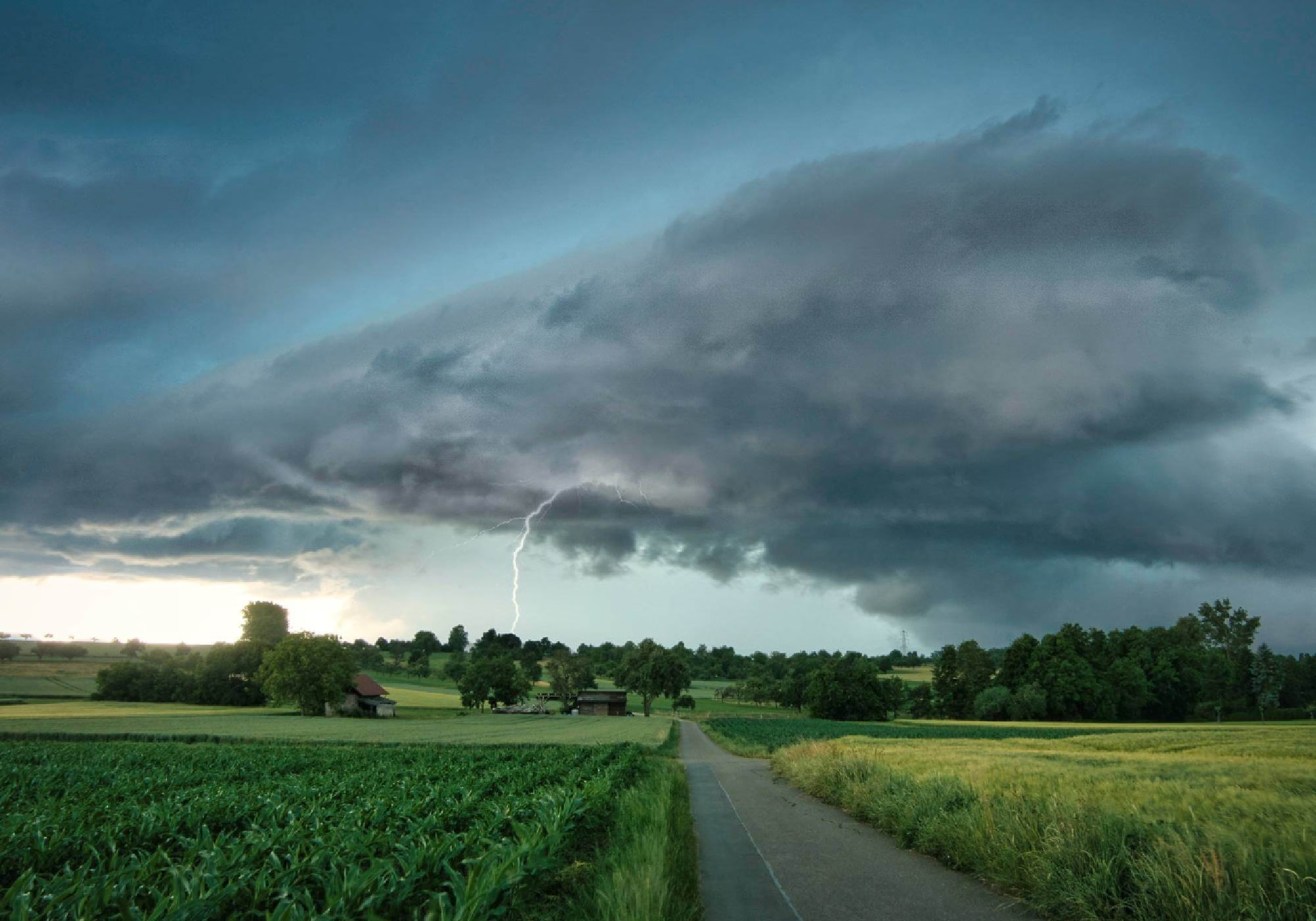
Weather is not just behind what we do. It is the very force that controls everything we do. Weather patterns are important to our daily routine. They shape our environments. They influence our choice for a morning cup of coffee and the crops that fill our plates. How strongly weather patterns shape our daily life, but have you ever thought about it? How Weather Patterns Control Our Daily Choices But what if you wake up early in the morning and pouring rain begins? Weather affects the choices that we do not even notice. It determines whether we should wear a raincoat, switch to indoor activities, or change our commute. Breakfast sometimes comes from cold mornings and drinks from warm summers. Extreme heat and biting cold influences the way we consume energy. From heating systems to air conditioners, this covers it all. Role of Weather in Local Ecosystems Weather does not only dictate our actions; it also dictates the natural world. For example, crops only grow under those conditions. Below is a quick look at seasonal crops and their ideal weather: Crop Weather Preference Wheat Cool winters, moderate rain Rice Warm, humid conditions Apples Chilly temperatures As with humans, animals too have to survive off weather, just as with humans. Seasonal changes are important for migratory birds, but for hibernating animals, the cold season is approaching. An entire ecosystem can be destroyed by a single unusual season. Human Activities Shaped by Weather Trends The Earth’s tilt directly influences various parts of our daily lives. It influences our construction plans due to the weather conditions. It also influences our travel and leisure activities. For example, builders consider the local weather when designing their houses. As a result, these houses can withstand the test of time against winds or floods. Sunny regions thrive with tourism and get little in rainy or stormy areas. The weather is closely monitored by sports as well; snowboarding requires snow, whereas cricket thrives under sunny and clear skies. “Sunshine is delicious. Rain is refreshing. Wind braces us up. Snow is exhilarating. There is no such thing as bad weather, only different kinds of good weather.” — John Ruskin Responses to Changing Weather Conditions The world today demands accurate weather forecasts. We can use weather apps and satellites to plan for not only pleasant but also extreme conditions. Here is a list of tools that simplify weather predictions: Innovations like these are able to save lives, minimize losses and prepare us for the future. How Weather Patterns Impacts Our Mental Wellness On a sunny day, our spirits may rise; on a gray day, we might slow down. Weather’s emotional connection to weather impacts productivity, creativity, and relationships, too. Another good example of this is Seasonal Affective Disorder (SAD). It shows that bad weather can impair your mental health. Knowing these effects helps us stay flexible and make the most of all kinds of days. Weather-Driven Innovations in Our Environment Weather is a great example of what is needed to drive creativity. Our desire to adapt leads us to innovation, like wind-resistant umbrellas and insulated homes. Waterproof jackets are designed by clothing brands, and buildings to weather the extreme conditions by engineers. Cities that are prone to hurricanes build storm-resistant roofs or sloped roofs in snowy areas. In these adjustments, we see how humans adapt to nature. This is a positive sign. Conclusion Everyday weather patterns forces us to work in different ways. If we understand how the tool works, we can plan better, appreciate nature’s rhythm, and be ready to surprise. The next time you go outside, see how the weather affects not only the day, but then everything around you.
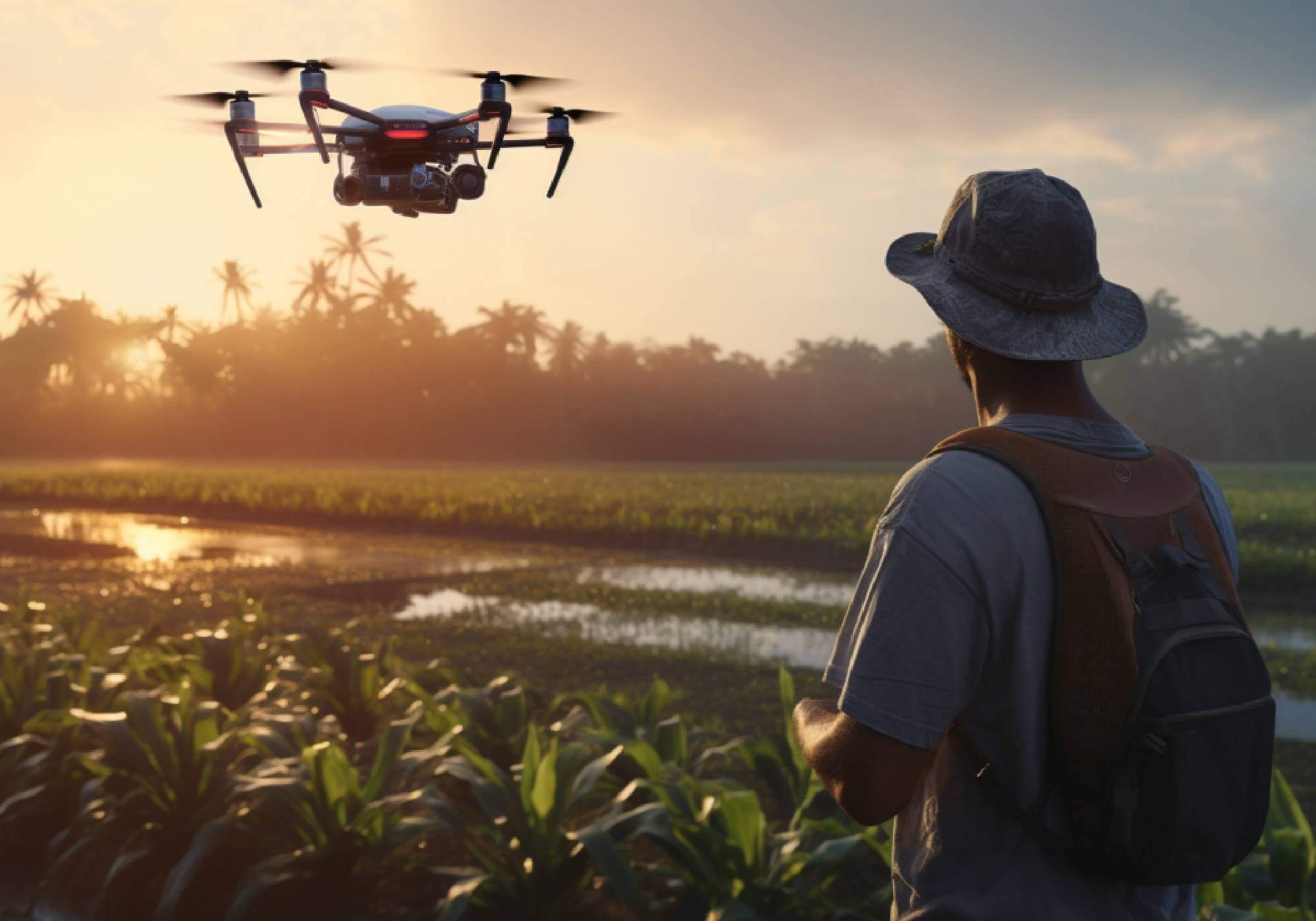
Future-Ready Farming: Top Sustainable Technologies for 2024
Farming has to change quickly to keep up with a growing world that needs to protect the planet. Today, sustainable farming technologies are used to grow food that saves water, land, and energy for farmers. These tools make farms more efficient, reduce waste, and make our environment safer. Next up, we will tackle the most promising farming tech that is shaping up for 2024. Breakthrough Technologies in Farming 1. Vertical Farming Space for traditional farming is limited by urbanization. Vertical farming grows crops inside controlled environments on stacked layers to solve this problem. This method has less water use, requires no soil, and reduces transportation requirements by closer pairing farms to cities. Fresh, pesticide-free greens are already being delivered throughout urban centers around the world by companies like AeroFarms and Plenty. 2. Precision Tools for Agriculture There is no need to rely on intuition anymore. Drones, GPS mapping, and soil sensors are all employed in precision agriculture, which uses fields in real time. We use these tools to help farmers save on water, fertilizer, and pesticide use and do it more efficiently. 3. Smart Irrigation Systems In a global problem of water scarcity, smart irrigation is just the answer. Measuring moisture levels in the soil using sensors, water is provided only when required by AI-powered systems. By preventing overwatering, it keeps your crops healthy in drought-prone areas, too. Renewable Energy on Farms Solar Power Solar panels on farms do more than reduce electricity bills. They power everything from irrigation pumps to storage facilities, ensuring farms remain operational during power outages. In 2024, many farms are integrating floating solar panels on ponds, doubling their use of space. Fun Fact: Solar-powered drip irrigation can save 60% more water compared to conventional systems. Farm Waste Animal manure and crop leftovers can now produce energy. Biogas systems convert waste into methane, which powers farm equipment or provides electricity. This not only reduces methane emissions but also creates an extra income stream for farmers. Wind Energy Small-scale wind turbines are being used on farms in windy areas. These systems are easy to install, and sufficient power can be generated to run daily operations. Not only that; many governments provide subsidies to encourage this eco-friendly practice. Eco-Friendly Ways to Protect Crops 1. Organic Pest Control Chemical pesticides are distasteful to the soil health and the water systems. Organic pest control avoids chemicals in controlling bugs. It employs natural predators like ladybugs. It also uses a natural solution to spray over the pests. Farmers are growing “cash crop traps” to protect their crops by keeping pests away. These crops act as a natural barrier, making it easier to manage pests. 2. Regenerative Farming Regenerative farming is centered on improving the state of the soil. Practices like mulching, no-till, and the use of legumes lower input costs. Healthy soil absorbs carbon from the air. Better quality of soil leads to better quality crops. This improvement results in lesser harm to our environment by cutting down our carbon footprint. Sustainable Farming Technologies Agriculture in the present century is not just about producing food but producing food in the right way. Effective technologies in agriculture do more than make it possible to produce food. They also help in curbing the effects of negative impacts from other conventional farming processes. Implementing these technologies involves steep costs. However, the long-term gains outweigh these costs. Most governments actively subsidize such developments. Some organizations also support these efforts. They aim to expand options for more farmers. Dairy farmers are not the only ones on this path. Organically grown products are the new trend. Consumers are actively seeking them in the market. This drives the market towards environmentally friendly products. You can even track a carrot from the farm it grew in. This is made possible through the use of blockchain, all the way to your plate. “To forget how to dig the earth and to tend the soil is to forget ourselves.” — Mahatma Gandhi Conclusion Farming of the future is about innovation and sustainable farming technologies. From growing food on skyscrapers to using solar energy, technology is enabling farmers to produce more food using the fewest resources. Those developments are not petty trends, they are indispensable. The implemented technologies can be used by the agriculture industry to overcome the climate change impact. They also help reduce the natural resources use. Additionally, they meet the growing world demand for food. This means that as farmers adopt these tools, they are ensuring the future of the planet is green and healthy for all. The modern methods of farming are already out there, and they are not dumb; neither are they polluting, crude, nor time-wasting. References
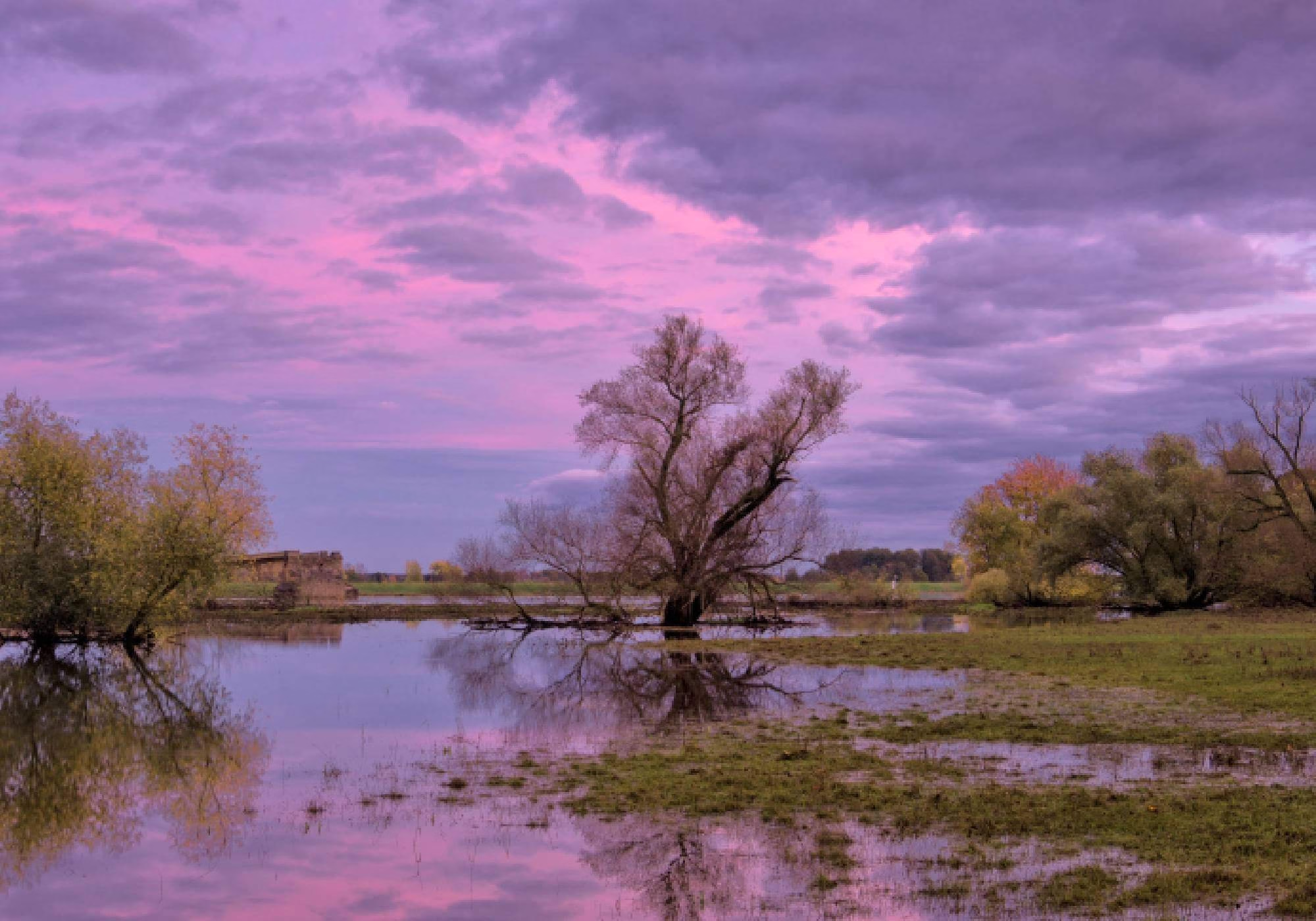
The Role of Coastal Ecosystems in Climate Resilience
Coastal ecosystems are much more than lovely places to visit. They are essential buffers that keep our communities safe during the rising tides of climate change. There are sandy beaches and mangrove forests. These places play an important role in moderating the effects of extreme weather conditions. They also provide economic support and promote biodiversity. In the future, we will face more frequent and intense storms. Sea levels will rise more, which could pose climate-related challenges. Our climate resilience must grow to deal with these challenges. It is extremely important to understand how these ecosystems help in that regard. The coastal ecosystems do not just serve as the magnet for pelagic fish stocks; they protect us too. In this post, we will look at what they do and why we need their urgent attention. What is Practical Action Doing? Coastal habitats play are very important in our environment. These places are called estuaries, wetlands, marshes, coral reefs, and seagrass forests, as well as tidal lagoons, and barrier islands. The coastal areas are protected from storm damage. These habitats support fisheries, that are absolutely essential to the economy. They filter the toxins to improve water quality. They also provide the homes for diverse wildlife. The USGS provides valuable scientific data and tools for managing coastal and wildlife areas. This includes protected areas, national parks, estuaries research reserves, and wildlife refuges. Coastal habitats connect land and sea, and their health depends on both land conditions and ocean conditions. USGS scientists combine their expertise in order to better understand these ecosystems. They study hydrology, geology, and chemistry and apply computer models. This research helps policymakers and resource managers make good decisions. It helps them protect natural resources and ensure proper regulation. The Importance of Coastal Ecosystems The coastal ecosystems are essential to the health of our planet, as well as for our economy. The species include estuaries, wetlands, marshes, coral reefs, seagrass forests, tidal lagoons, and barrier islands. They don’t just give height to beautiful scenery, species in these ecosystems are also crucial to climate resilience. These ecosystems are important. It is imperative for the survival of coastal communities, wildlife, and the planet. Biodiversity in Coastal Ecosystems Coastal ecosystems are rich in biodiversity, supporting many species of plants and animals. These habitats range from lush mangrove forests to vibrant coral reefs. They provide shelter, food, and breeding grounds for many marine and terrestrial organisms. These ecosystems are the home to a wide variety of species that play a major role in maintaining ecosystem healthy. Mangroves provide important habitats for fish, crustaceans, and birds. Seagrass meadows provide safe nurseries for young fish and shellfish. These underwater plants help small marine animals grow and thrive. Healthy coastal ecosystems support marine life. This marine life is vital for maintaining a balanced food web. This balanced food web supports the larger marine environment. But coastal biodiversity is under threat. These habitats are being significantly damaged by climate change, pollution and overfishing. When these ecosystems are disrupted, the species depend on them are at greater risk of extinction. So preserving coastal biodiversity is important for keeping healthy ecosystems that can withstand climate change. Dr. Jane Smith, a climate scientist specializing in coastal ecosystems, says, “The loss of coastal ecosystems will not only result in the loss of marine biodiversity. It will also harm the millions of people rely on these resources for their daily income and survival.” This quote illustrates the importance of coastal biodiversity in maintaining climate resilience and economic stability. The Impact of Climate Change on Coastal Ecosystems Climate change deeply affects coastal ecosystems. It harms marine life, erodes shorelines, and disrupts habitats. These changes threaten the coastal communities too. Therefore, we must take action to protect these important areas. Rising sea levels impact these important habitats. Water temperatures keep increasing, which also impacts them. More frequent and intense storms are taking their toll as well. Climate change is combining with the pressure of a changing coastline in order to place coastal ecosystems beyond their limits. If this is not done, these ecosystems could become unable to protect communities, support biodiversity, and provide valuable services. Future Steps for Sustainable Management We must now act to protect coastal ecosystems and ensure they will continue to be valuable for climate resilience. This includes: Taking these steps will help us keep coastal ecosystems as a powerful force that can save communities from climate change. Your Coastal Ecosystem Queries Q1: What is the importance of mangroves in coastal ecology?Mangroves are important to coastal ecology. Shorelines are protected from erosion by them. They serve as habitats for wide varieties of marine species. Mangroves are also natural water filters. They are also carbon sinks that help prevent climate change by sequestering large quantities of carbon dioxide. Q2: How do coastal ecosystems contribute to biodiversity?There is a wealth of plant, animal, and marine life that lives in coastal ecosystems. Breeding, feeding, and nursery grounds for fisheries produce and birds constitute a support of ecological balance. Q3: Why are coastal ecosystems important for humans?But coastal ecosystems are critical resources for millions for food and livelihoods. But they act as buffers to prevent storms from reaching communities. They also protect us from rising sea levels. Additionally, they are great natural filters that improve water quality. Q4: What threats do coastal ecosystems face?Human activities, including most notably overfishing, coastal development, pollution, and deforestation, threatens these ecosystems. In addition to these challenges, climate change impacts also influence them. These impacts include rising sea levels and higher temperatures. References

Photonic Crystals: Secrets of Enhanced Light Control & Performance
Light is all around us. It brightens our day and powers our modern world. However, what if we were able to control, bend, and shape it, instead, however we deemed fit? Doesn’t it sound like magic? That is no longer a science fiction dream. With photonic crystal technology, we can actually do it. It is these amazing materials that are revolutionizing the use of light, and the applications for them are incredible.So, let me show you a bit of the world of photonic crystals. I will demonstrate what they are and how do they work. Next, I’ll show you why they are so special. Finally, I will show you why they could be the future. What are Photonic Crystals? Let’s first understand what these materials are before going deeper. It is only a simple statement that photonic crystal technology are special structures that control the propagation of light through them. It is like they had tiny mirrors in the most precise arrangement. This pattern reflects, or bends, or blocks light, depending on the wavelength. The capacity to control light, however, makes photonic crystals unlike any other material we have encountered. Photonic crystal technologies are a concept born in the 1980s. Scientists found that some structures could control light as a semiconductor controls a current. The theory was early research, but breakthroughs in the perverse of nanotechnology made these structures possible. Photonic crystals are not a theory anymore, they are real, practical devices with unlimited possibility. Photonic crystals are not complicated to understand. Think of sound waves. When you scream in a canyon, then, the echo curves back as the sound waves bounce off the canyon walls. Photonic crystal works with the same way. Repeating patterns in these materials reflect the wavelengths of some light and let others pass. The photonic band gap is a key feature. Some frequencies are a no-go zone in this one. If you try to pass that light through the crystal at those frequencies, it’s reflected. What makes photonic crystal is so powerful is the control we have of light frequencies. The Magic of Controlling Light And what exactly can we do with photonic crystals? A lot! These materials can control light in ways it was not possible before. For example, they can slow down light or bend it backwards, producing phenomena, such as negative refraction. Light goes against expectations. It moves in the opposite direction instead. This opens the way to an incredible ramp of optical technologies. Super-resolution imaging is another fascinating application. Using the photonic crystals, we can make clear, sharp images beyond what is possible with conventional lenses. And that has massive implications for microscopy and medical imaging. Real-World Applications of Photonic Crystals You might be wondering how all of this applies to the real world. Let’s take a look at some of the most exciting uses: Upcoming Challenges Yet, photonic crystals are not without impediments. It is still very complex and expensive to manufacture these materials. But there’s still a long way to go before researchers discover cost-effective methods. Overcoming the major technical hurdles needed to integrate photonic crystals into existing technologies is also required. But progress has nonetheless continued. Gaining field experience in photonic crystals is challenging. Scientists around the world constantly find new ways to make them better and more practical. Will photonic crystal technology have a future? It is endless. And in the very near future, they may be thousands of times faster than the machines of today. Solar panels could power an entire city as easily. They could reach speeds that we could not imagine. But researchers are also finding applications for photonic crystals in quantum computing and other advanced fields. It’s a lot of possibilities. These technologies are improving continuously. We can start to think of how they can change our lives. This change begins with the simple things that we have not even come up with. Conclusion More than just a curiosity, photonic crystals are what today’s nanotechnology is all about. They represent a complete change in our relationship with light. The impact could be profound with faster internet and better medical devices. This is just the beginning. Nothing has battered the fantasy of the future, as photonic crystals open up avenues for research to continue. Who knows? Maybe someday we’ll wonder how we lived without them.