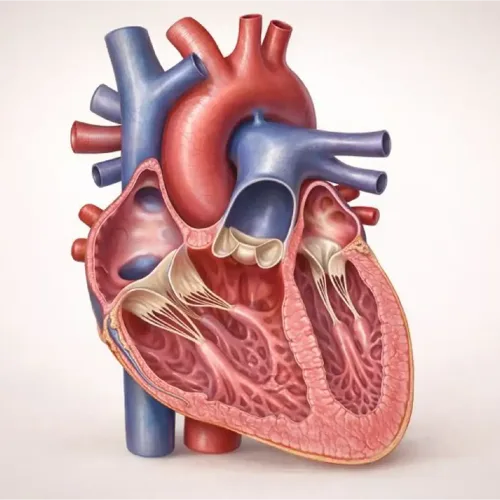
High blood pressure, or hypertension, affects nearly half of adults in the United States and more than a billion people worldwide. It quietly raises the risk of heart attack, stroke, kidney failure, and other serious problems—often without any warning signs. This guide explains what hypertension is and how blood pressure works. It covers categories and types, symptoms (or lack of them), causes, and risk factors. You will learn how it damages the body, possible complications, and diagnosis. The guide also offers treatment options and natural ways to support lower readings. It discusses prevention strategies, common myths, and provides answers to frequent questions. Everything here draws on established medical understanding from sources like the American Heart Association (AHA), American College of Cardiology (ACC), Centers for Disease Control and Prevention (CDC), and World Health Organization (WHO).
What Is Hypertension?
Hypertension is the medical term for consistently high blood pressure. Blood pressure measures the force of blood pushing against the walls of your arteries as the heart pumps. When that force stays too high over time, it strains the heart, damages blood vessels, and harms organs.
Doctors call hypertension the “silent killer” because most people feel no symptoms until serious damage has already occurred. You can walk around for years with elevated readings and never know it—until a heart attack, stroke, or other crisis appears.
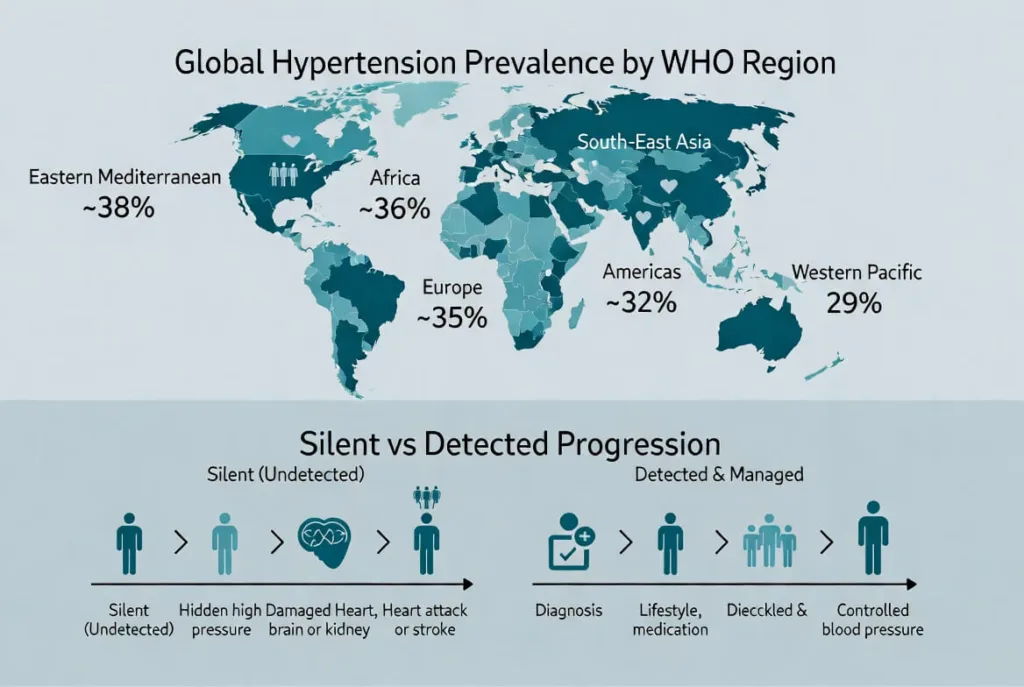
Globally, hypertension remains one of the leading preventable causes of death and disability. In the U.S., roughly 48% of adults have high blood pressure (systolic ≥130 mm Hg or diastolic ≥80 mm Hg, or they take medication for it). Many of those people do not have it under control. Early detection matters because the earlier you act—through lifestyle changes or medication when needed—the more you can protect your heart, brain, kidneys, and eyes.
How Blood Pressure Works
1. What Is Blood Pressure?
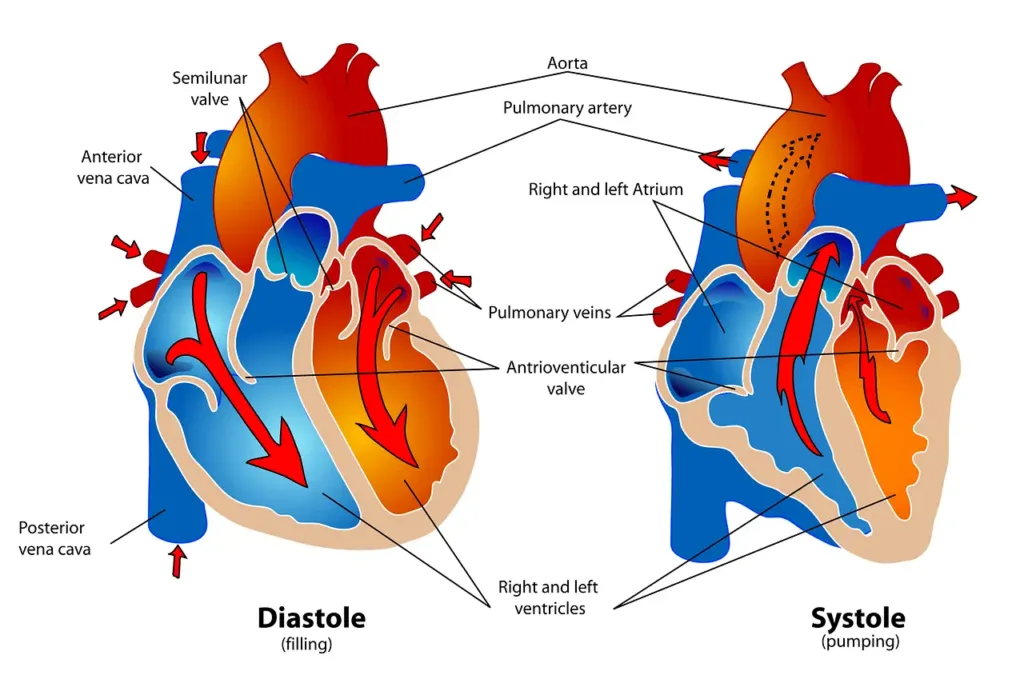
Your heart is a powerful pump. With each beat it pushes blood into the arteries. The arteries carry oxygen-rich blood to every part of the body. Blood pressure reflects two forces: the pressure when the heart contracts and the pressure when it relaxes between beats.
Healthy arteries are flexible. They stretch slightly with each heartbeat and then return to their normal size. When arteries stiffen or narrow, the same volume of blood creates higher pressure.
2. Systolic vs. Diastolic Blood Pressure
A blood pressure reading has two numbers, written as systolic over diastolic (for example, 120/80 mm Hg).
- Systolic (the top number) is the pressure when the heart contracts and pushes blood out.
- Diastolic (the bottom number) is the pressure when the heart rests between beats.
Both numbers matter. Elevated systolic pressure is especially important in older adults because arteries naturally stiffen with age. Elevated diastolic pressure can also signal risk, particularly in younger people. Guidelines treat both numbers as clinically significant.
3. How Blood Pressure Is Measured
Blood pressure is measured in millimeters of mercury (mm Hg). A healthcare professional or you at home can take the reading with a cuff that inflates around the upper arm.
Manual (aneroid) sphygmomanometers use a stethoscope and require training. Digital monitors are widely available, easy to use, and accurate when validated. For best results:
- Sit quietly for five minutes with your back supported and feet flat on the floor.
- Rest your arm on a table at heart level.
- Avoid caffeine, exercise, and smoking for at least 30 minutes beforehand.
- Take readings at the same time of day when possible.
Home monitoring gives a more complete picture than occasional clinic visits.
Blood Pressure Categories
According to the 2025 AHA/ACC guideline, adult blood pressure falls into these categories:
| Category | Systolic (mmHg) | Diastolic (mmHg) | What It Means |
|---|---|---|---|
| Normal | Below 120 | Below 80 | Healthy range; maintain current habits |
| Elevated | 120–129 | Below 80 | Above normal; lifestyle changes recommended |
| Stage 1 Hypertension | 130–139 | 80–89 | Mild hypertension; lifestyle changes, possible medication |
| Stage 2 Hypertension | 140 or higher | 90 or higher | Moderate-to-severe; medication usually recommended |
| Hypertensive Crisis | Higher than 180 | Higher than 120 | Medical emergency; seek immediate care |
A hypertensive crisis requires urgent attention. This is particularly crucial if symptoms like chest pain, shortness of breath, or vision changes occur.
Types of Hypertension
Not all high blood pressure looks the same. Understanding which type you have shapes how it’s investigated and treated.
1. Primary (Essential) Hypertension
This is the most common form, accounting for the vast majority of cases. Primary hypertension develops gradually over years, driven by a mix of genetics, aging, and lifestyle factors, without one single identifiable cause.
2. Secondary Hypertension
Secondary hypertension is caused by an underlying, identifiable condition — such as kidney disease, hormonal disorders, or certain medications. It tends to appear more suddenly and can reach higher readings than primary hypertension. Treating the underlying cause often improves or resolves it.
3. Resistant Hypertension
This describes blood pressure that remains high despite being on three or more antihypertensive medications, including a diuretic, at optimal doses. It often requires more specialized evaluation to rule out secondary causes or medication issues.
4. White Coat Hypertension
Some people have blood pressure readings that spike in a clinical setting due to anxiety about being at the doctor’s office, but are normal elsewhere. This is known as white coat hypertension, and it’s one reason doctors increasingly rely on home or ambulatory monitoring to confirm a diagnosis.
5. Masked Hypertension
The opposite of white coat hypertension: blood pressure appears normal in the doctor’s office but is elevated in daily life. Because it’s easy to miss, masked hypertension can be particularly risky if it goes undetected.
| Type | Typical Cause | Key Feature |
|---|---|---|
| Primary (Essential) | Multiple factors over time | Gradual onset, most common |
| Secondary | Identifiable medical condition | Sudden onset, often higher readings |
| Resistant | Multiple medications, uncontrolled | Requires 3+ medications without control |
| White Coat | Clinical-setting anxiety | High in office, normal elsewhere |
| Masked | Situational/lifestyle factors | Normal in office, high elsewhere |
What Causes Hypertension?
Hypertension usually results from a combination of factors rather than a single cause.
Genetics: A family history of hypertension increases your likelihood of developing it, suggesting inherited factors affect how your body regulates blood pressure.
Aging: Arteries naturally stiffen with age, which raises systolic pressure over time even in otherwise healthy people.
Obesity: Excess body weight increases the volume of blood your heart must circulate and is linked to hormonal and metabolic changes that raise pressure.
Excess salt intake: High sodium consumption causes the body to retain more fluid, increasing blood volume and, in turn, blood pressure.
Physical inactivity: A sedentary lifestyle weakens the heart’s efficiency and contributes to weight gain, both of which raise cardiovascular risk.
Smoking: Nicotine temporarily raises blood pressure with every cigarette and contributes to long-term artery damage that makes hypertension more likely.
Alcohol: Regular, heavy alcohol use is strongly linked to elevated blood pressure, even in people without other risk factors.
Chronic stress: Ongoing stress can raise blood pressure directly through hormonal responses and indirectly by encouraging poor coping habits like overeating or drinking.
Poor sleep: Insufficient or irregular sleep disrupts the hormones that help regulate blood pressure and cardiovascular function.
Sleep apnea: This sleep disorder, marked by repeated breathing interruptions, is closely tied to hypertension because of the oxygen deprivation and stress response it triggers overnight.
Kidney disease: Because kidneys help regulate fluid balance and blood pressure hormones, impaired kidney function is both a cause and a consequence of hypertension.
Hormonal disorders: Conditions affecting the thyroid, adrenal glands, or other hormone-producing organs can drive secondary hypertension.
Certain medications: Some decongestants, NSAIDs, hormonal contraceptives, and other drugs can raise blood pressure as a side effect.
Risk Factors for Hypertension
While causes describe why hypertension develops, risk factors describe who is more likely to develop it:
- Age (risk rises steadily after 45–55)
- Family history of hypertension
- Diabetes
- High cholesterol
- Obesity
- Sedentary lifestyle
- Unhealthy diet, particularly high in sodium and processed foods
- Tobacco use
- Alcohol consumption
- Chronic stress
- Chronic kidney disease
Many of these overlap — for example, obesity, poor diet, and inactivity often compound one another, which is part of why lifestyle changes can have such an outsized impact on overall risk.
How Hypertension Damages the Body
Chronic high blood pressure doesn’t stay contained to your arteries — it gradually affects nearly every major organ system.
1. Damage to Arteries
Persistent high pressure damages the delicate inner lining of artery walls, making them more prone to plaque buildup (atherosclerosis), stiffness, and reduced elasticity — which further raises blood pressure in a compounding cycle.
2. Effects on the Heart
The heart has to work harder to pump against elevated resistance, which over time causes the heart muscle to thicken (a condition called left ventricular hypertrophy). This weakens the heart’s pumping efficiency and raises the risk of heart failure.
3. Effects on the Brain
Damaged, narrowed, or weakened blood vessels in the brain raise the risk of stroke and are linked to long-term cognitive decline, including vascular dementia.
4. Effects on the Kidneys
The kidneys rely on healthy blood vessels to filter waste. Chronic hypertension damages these vessels, reducing kidney function and, in severe cases, leading to kidney failure.
5. Effects on the Eyes
High blood pressure can damage the small blood vessels in the retina, a condition called hypertensive retinopathy, which can impair vision over time.
6. Effects on Other Organs
Beyond these major systems, chronic hypertension is linked to peripheral artery disease, sexual dysfunction, and reduced blood flow to extremities.
Complications of Untreated Hypertension
Leaving high blood pressure uncontrolled dramatically increases the chance of:
- Heart attack
- Stroke
- Heart failure
- Kidney failure
- Vision loss
- Peripheral artery disease
- Cognitive decline and vascular dementia
- Aortic aneurysm
These complications often develop after years of silent damage. Controlling blood pressure sharply reduces their occurrence.
Treatment for Hypertension
1. Lifestyle Changes
For many people, especially those with elevated or Stage 1 readings, lifestyle changes are the first line of treatment. These include dietary changes, weight management, increased physical activity, reduced sodium and alcohol intake, and better sleep — all covered in more detail in the next section.
2. Medications
When lifestyle changes aren’t enough, or blood pressure is significantly elevated, doctors may prescribe one or more classes of antihypertensive medication.
| Medication Class | How It Works | Common Uses | Common Side Effects |
|---|---|---|---|
| ACE inhibitors | Relax blood vessels by blocking a hormone that narrows them | First-line treatment, especially with diabetes or kidney disease | Dry cough, elevated potassium, dizziness |
| ARBs (Angiotensin Receptor Blockers) | Block the same hormone’s effects at the receptor level | Often used when ACE inhibitors cause a cough | Dizziness, elevated potassium |
| Calcium channel blockers | Relax and widen blood vessels by limiting calcium entry into cells | Common in older adults, certain ethnic groups | Swelling in ankles, headache, flushing |
| Thiazide diuretics | Help kidneys remove excess sodium and water | Frequently a first-line or add-on treatment | Frequent urination, low potassium, dizziness |
| Beta-blockers | Reduce heart rate and the force of heart contractions | Used when heart-related conditions coexist | Fatigue, cold extremities, slowed heart rate |
This table is for general education only. Medication choice, combination, and dosage should always be determined by a healthcare provider based on individual health history.
Natural Ways to Help Lower Blood Pressure
Lifestyle measures can meaningfully lower blood pressure, and they play a role at every stage of hypertension management — including alongside medication, when it’s been prescribed.
- DASH diet: An eating pattern rich in fruits, vegetables, whole grains, and lean protein, with limited sodium, that’s been extensively studied for its blood-pressure-lowering effects.
- Weight management: Even modest weight loss can lead to measurable reductions in blood pressure.
- Physical activity: Regular aerobic exercise strengthens the heart and helps blood vessels function more efficiently.
- Sodium reduction: Cutting back on processed and restaurant foods, which tend to be high in hidden sodium, can meaningfully lower readings.
- Potassium-rich foods (when appropriate): Potassium helps balance sodium’s effects on blood pressure, though people with kidney disease should check with a doctor before increasing intake.
- Better sleep: Prioritizing consistent, sufficient sleep supports healthy blood pressure regulation.
- Stress management: Practices like mindfulness, breathing exercises, or regular relaxation time can reduce stress-related blood pressure spikes.
- Limiting alcohol: Reducing alcohol intake is one of the more immediate, measurable ways to lower blood pressure.
- Smoking cessation: Quitting smoking benefits blood pressure and overall cardiovascular health almost immediately.
Important: Lifestyle measures complement — but do not replace — medical treatment when it has been prescribed. Never stop or adjust medication without consulting your doctor.
For readers building sustainable habits, a well-organized DASH diet cookbook can make sodium-conscious meal planning far less overwhelming, especially in the first few months of change.
Common Myths About Hypertension
Myth: High blood pressure always causes symptoms. Reality: Most people with hypertension feel completely normal, which is exactly why it’s called the silent killer.
Myth: Only older adults develop hypertension. Reality: While risk rises with age, hypertension increasingly affects younger adults, often linked to diet, weight, and stress.
Myth: Sea salt is harmless. Reality: Sea salt contains roughly the same sodium content as table salt by weight — the “natural” label doesn’t reduce its effect on blood pressure.
Myth: Medication is the only treatment. Reality: Lifestyle changes are a core part of treatment at every stage, sometimes eliminating the need for medication altogether in early cases.
Myth: Once controlled, medication can always be stopped. Reality: Stopping medication without medical guidance can cause blood pressure to rebound, sometimes sharply. Any changes should be made under a doctor’s supervision.
Frequently Asked Questions
A reading below 120/80 mmHg is generally considered normal, based on widely used clinical guidelines.
Genetics play a significant role, but lifestyle strongly influences whether the tendency becomes high blood pressure.
Yes. Rates of hypertension among younger adults have been rising, often linked to obesity, poor diet, and sedentary habits.
Foods rich in potassium, fiber, and low in sodium — such as leafy greens, berries, bananas, and whole grains — are commonly associated with healthier blood pressure levels as part of a DASH-style diet.
Chronic stress can contribute to elevated blood pressure over time, both through hormonal effects and stress-related habits like poor sleep or overeating.
Conclusion
Hypertension is common, often silent, and highly treatable. Understanding your numbers, knowing the categories and risk factors, and acting early can protect your heart, brain, kidneys, and overall quality of life for decades. Evidence-based lifestyle habits—healthy eating patterns such as DASH, regular physical activity, healthy weight, limited sodium and alcohol, no smoking, good sleep, and stress management—form the foundation. When medication is prescribed, consistent use is one of the most effective steps you can take.
Monitor your blood pressure regularly at home with a validated device and share the results with a qualified healthcare professional. Only a clinician can diagnose hypertension, rule out secondary causes, and create a safe, personalized plan. Take the first step today: check your numbers, review your daily habits, and schedule a conversation with your doctor or care team. Your future self will thank you.
Recommended Resources for Curious Minds
Disclosure: This section contains affiliate links. If you purchase through them, Learning Breeze may earn a small commission at no extra cost to you. These recommendations are chosen for educational value.
- Medium Cuff for Omron Blood Pressure Monitor: Original OMRON replacement cuff for compatible upper arm blood pressure monitors. Check out here!
- The Everyday DASH Diet Cookbook: A practical cookbook packed with more than 150 tasty, easy-to-make recipes that follow the proven DASH eating plan to help lower blood pressure, support weight loss, and reduce diabetes risk. Check out here!
- Blood Pressure Log Book (large-print daily tracker): A large-print daily tracker that makes it easy to record and monitor blood pressure and heart rate readings at home for clear patterns you can share with your doctor. Check out here!
- Hypertension and 24-hour Ambulatory Blood Pressure Monitoring (Practical Case Studies in Hypertension Management): A practical case-based guide that teaches clinicians the correct use and interpretation of 24-hour ambulatory blood pressure monitoring in everyday hypertension management. Check out here!
These tools work best alongside professional medical care.