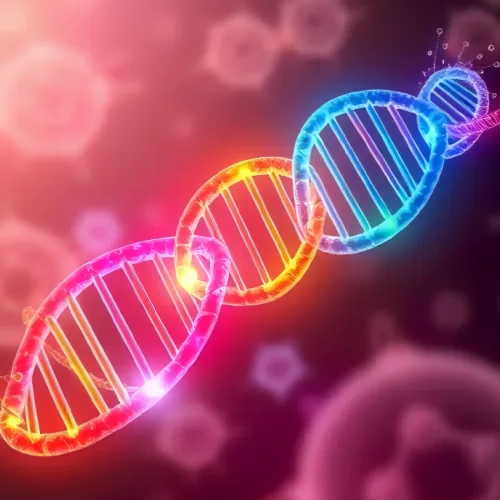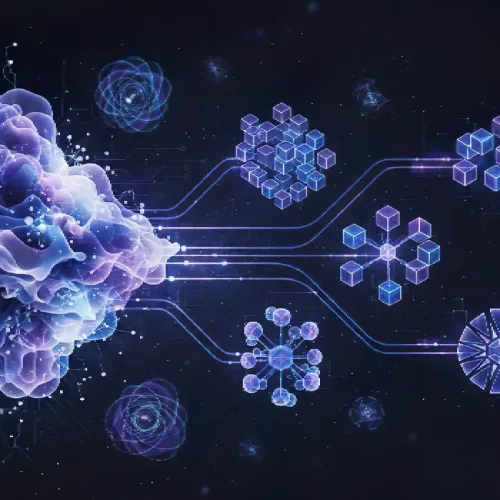
Imagine having a full map of every cell in the human body, all 37 trillion of them. That is the bold idea behind the Human Cell Atlas 2026. It is a global project changing how we understand human biology at its deepest level.
The Human Cell Atlas is not just another research study. Instead, it’s a massive collaboration. Thousands of scientists from six continents are working together to build the most detailed reference map of human cells ever created. Think of it like Google Maps for the human body. It shows where each cell lives, what it does, and its unique molecular fingerprint, from brain neurons to cells in the gut.
The project began in 2016 as a big, almost unreal vision. Since then, it has grown into something very real. By 2026, researchers plan to finish the first complete draft of the atlas. This step could reshape how we detect diseases, design treatments, and personalize medicine. It’s not science fiction anymore. It is unfolding right now.
Technologies Behind Cellular Mapping
The Human Cell Atlas 2026 is only possible because of a powerful tech stack—one that honestly feels straight out of sci-fi. But to truly understand how scientists are mapping the human body, we need to zoom in on the tools making it happen.
1. Single-Cell Genomics
Traditional biology studied cells in bulk, like analyzing an entire forest without distinguishing individual trees. Single-cell sequencing changed everything. This technology reads the genetic activity of individual cells, revealing hidden diversity we never knew existed.
For example, what we once called “lung cells” are actually dozens of distinct types, each with unique functions. Some cells sense oxygen levels, others produce surfactant, and some coordinate immune responses.
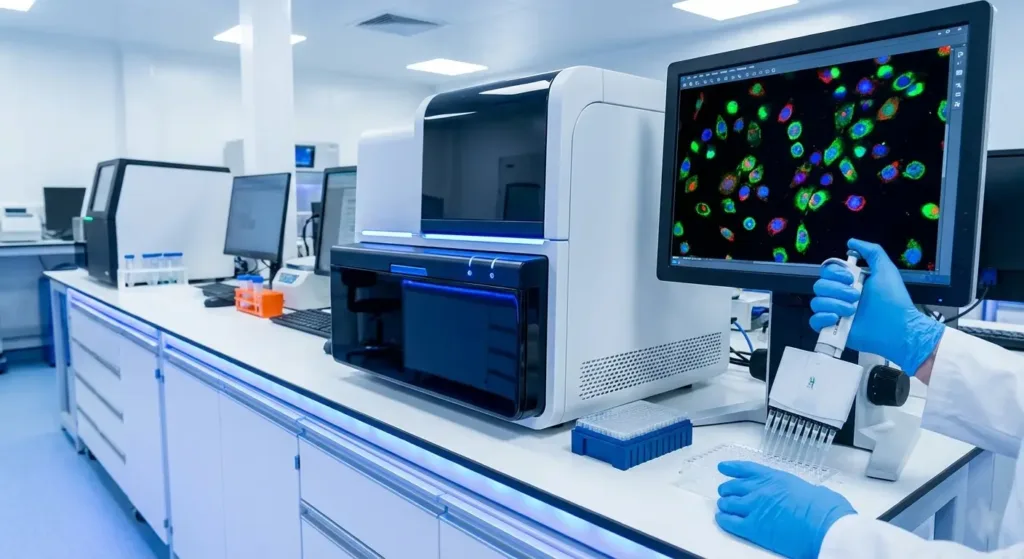
2. Spatial Transcriptomics
Knowing what a cell does is important, but knowing where it does it is equally crucial. Spatial transcriptomics maps gene activity while preserving the physical location of cells within tissues. This reveals how cells interact with neighbors and respond to their local environment.
3. Multi-Omics Integration
The most powerful insights come from combining multiple data types—genomics, proteomics, metabolomics—into integrated multi-omics profiles. This holistic view captures cell identity and state with unprecedented precision, revealing how genetics, proteins, and metabolites work together.
4. Computational Tools & Data Portals
Managing petabytes of cellular data requires sophisticated computational infrastructure. The HCA Data Portal serves as the central hub, offering standardized tools for analysis and visualization. Researchers can explore datasets, compare cell types across organs, and download raw data—all through user-friendly interfaces.
How Cell Type Mapping Works
Defining what makes a cell a type versus a state is not as simple as it seems. A liver cell, for example, is clearly a cell type. However, that same cell can shift through different states. It may be resting, dividing, or reacting to injury. In other words, the identity stays the same, but the behavior changes. To handle this complexity, the Human Cell Atlas relies on advanced ontologies and detailed annotation systems. These tools help scientists classify cells in a consistent way, even when the data comes from different studies.
At the same time, data standardization remains a major hurdle. Labs around the world use different protocols, tools, and analysis methods. As a result, the same cell can look slightly different depending on where it is studied. To fix this, universal standards are essential. They ensure that a T cell identified in Boston is recognized as the same T cell mapped in Beijing. This consistency is what makes the atlas reliable, comparable, and truly global.
Major Human Cell Atlas Projects and Key Achievements
The HCA is not just a theory, it is delivering real maps. Organized by networks, it is churning out organ-specific gems.
Organ-Specific Atlases
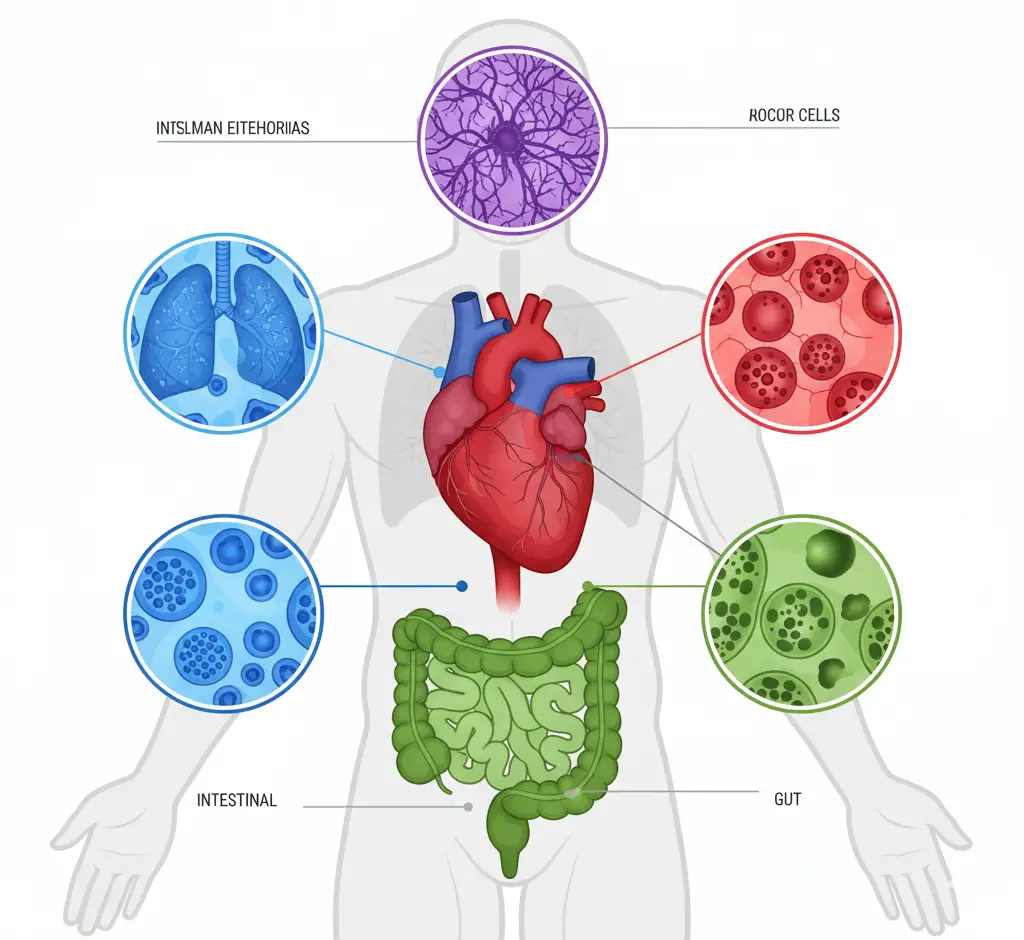
The HCA tackles the body organ by organ. The Lung Biological Network mapped respiratory cells, revealing rare populations involved in COVID-19 susceptibility. The Gut Cell Atlas characterized intestinal cells, advancing understanding of inflammatory bowel disease. The Thymus Atlas illuminated immune cell development, while the Skeletal Atlas explored bone and cartilage biology. Each organ atlas is both a standalone resource and a piece of the larger human puzzle.
First Draft Progress Toward HCA
In 2023, the consortium announced significant progress toward the “first draft” of the complete atlas—covering major organs and tissues with sufficient depth to serve as initial reference maps. While far from complete, these drafts already enable disease biomarkers discovery and clinical applications.
The 2026 General Meeting aims to consolidate these achievements, set priorities for HCA 2.0, and expand coverage to underrepresented tissues and populations.
Insights Already Unlocked in Disease Research
The atlas is not just future promise—it is delivering now. Researchers have identified new cell types involved in fibrosis, discovered cellular origins of cancer, mapped immune responses to infections, and found therapeutic targets for rare diseases.
One striking example: comparing healthy and diseased tissue atlases revealed specific cell states linked to severe COVID-19, guiding treatment strategies and vaccine development.
Ethical, Legal, and Social Dimensions of the Human Cell Atlas
A map of the human body is a map of us. This brings up heavy questions.
Sampling Diversity
Early genomics efforts suffered from severe bias—most data came from people of European ancestry. The HCA actively addresses this by recruiting diverse donors across ethnicities, ages, and geographies. Global representation ensures the atlas reflects human diversity, not just a narrow slice.
This matters clinically. Disease manifests differently across populations. Treatments developed from homogeneous data may not work universally.
Privacy and Consent
Collecting human tissue requires robust consent processes. The HCA follows strict ethical guidelines, ensuring donors understand how their samples will be used. Data is de-identified to protect privacy while remaining scientifically useful.
Balancing ethical data sharing with individual privacy rights requires constant vigilance, especially as computational methods make re-identification increasingly possible.
Global Equity in Science
Who benefits from the atlas? Ideally, everyone. But there’s risk that high-income countries with advanced research infrastructure capture most benefits. The HCA works to build capacity in lower-resourced settings, providing training, tools, and collaborative opportunities.
True equity means not just including diverse samples, but ensuring diverse scientists lead research and their communities access resulting treatments.
Computational Challenges in Human Cell Atlas 2026
Data Scale and Storage
The HCA generates petabytes of data. A single spatial transcriptomics experiment can produce terabytes. Storing, transferring, and analyzing this data requires massive computational infrastructure and clever algorithms to make analysis tractable.
Cloud computing platforms help, but costs and accessibility remain barriers for some researchers.
Integration Across Modalities
How do you combine single-cell RNA-seq with spatial transcriptomics and proteomics data from the same tissue? Each technology has different resolution, coverage, and biases. Computational integration methods use statistical models and machine learning to align these complementary views into unified maps.
FAIR Principles
Making data Findable requires rich metadata describing experiments. Accessible means providing open portals without paywalls. Interoperable demands standard formats that different tools can read. Reusable requires clear licensing and documentation.
Achieving all four takes intentional infrastructure design and community buy-in—the HCA is a pioneer in practicing what it preaches.
Future Opportunities and Research Frontiers
Future research within the Human Cell Atlas is expanding beyond static cellular maps toward a more holistic understanding of how cells interact with their environment, develop over time, and impact human health. One major frontier is the integration of exposome data, which captures lifelong environmental influences such as diet, pollution, stress, and infections, helping researchers understand how external factors shape cellular behavior and disease risk. At the same time, immune and developmental atlases are offering unprecedented insight into how immune cells mature, respond to threats, and malfunction in autoimmune disorders. Meanwhile, developmental mapping of embryonic and fetal stages sheds light on the origins of congenital conditions. Equally important is public engagement, as this foundational science is designed to benefit everyone; through education, clear communication, and citizen science initiatives, the Human Cell Atlas aims to improve scientific literacy and show why comprehensive cellular mapping matters for the future of medicine and global health.
Conclusion
The Human Cell Atlas 2026 sits at the crossroads of advanced technology, global teamwork, and the deepest questions about human life. By mapping every cell with unmatched detail, scientists are creating a resource that could transform medicine for generations.
The road is not easy. Huge data, ethical dilemmas, and biological diversity push researchers to innovate constantly. Yet the progress is striking. Organ-specific atlases are uncovering hidden cellular secrets, clinical breakthroughs are appearing, and the dream of truly personalized medicine is coming into focus.
For scientists, the atlas is an open invitation to explore and contribute. For patients, it offers hope for better diagnoses and treatments. And for everyone, it’s a powerful reminder: while we map distant galaxies, some of the most amazing frontiers are inside us.
The cells that make up your body are ready to share their stories. The Human Cell Atlas is learning to listen.
Recommended Resources for Curious Minds
1. The Cell: A Molecular Approach by Geoffrey Cooper
A comprehensive textbook that provides foundational knowledge about cell biology, perfect for understanding the science behind cellular atlases and molecular mechanisms.
2. Single Cell Analysis: Methods and Protocols (Methods in Molecular Biology)
For readers interested in the technical side, this practical guide walks through single-cell experimental techniques that power modern cell atlas initiatives.
3. The Song of the Cell: An Exploration of Medicine and the New Human by Siddhartha Mukherjee
An accessible and beautifully written exploration of cell biology’s history and future, connecting cellular science to human health stories everyone can appreciate.
4. Genomics and Precision Medicine: How the Revolution in Genomics is Transforming Medicine
This book bridges atlas research and clinical applications, showing how cellular and genomic insights translate into real-world medical advances.
The links above are affiliate links. If you purchase through them, we may earn a small commission at no additional cost to you. We only recommend resources we genuinely believe enhance learning about Robotics.