

Why do today’s gadgets feel so fast and smart? It’s not just because of stronger processors, it’s because they can now see and think on their own. For years, real visual intelligence existed only in powerful cloud servers. Such tasks included recognizing a face or spotting a tiny defect. But things have changed. With Edge Computer Vision, that intelligence now lives right on our devices. This shift is transforming everything. It changes how self-driving cars understand their surroundings. It also affects how your smartphone captures and edits photos in real time. Edge Computer Vision brings together the smart image-processing power of Computer Vision and the fast, local computing of Edge AI devices. This mix supports real-time decisions to be made right where the data is created. It cuts down delays and keeps information more private. In this complete guide, we’ll explore how it works. We will discuss its main parts. You will also learn how models are optimized for edge devices. Finally, we’ll see how it’s being used in the modern world. Everything is explained in simple, clear language so you can easily understand each concept. Get ready to dive into the future of truly intelligent devices. What Is Edge Computer Vision, and How Does It Work? Picture this, you are trying to recognize a bird in your backyard. You wouldn’t send its photo to a huge library miles away, wait for them to analyze it, and get a reply an hour later. Instead, you’d instantly check your bird guide or open a bird app on your phone to find the answer yourself. That quick, local action perfectly explains how Edge Computer Vision works. Edge Computer Vision involves using deep learning and image recognition models directly on Edge AI devices. These are devices like cameras, smartphones, drones, or industrial sensors. They are utilized to analyze visuals in real time. Instead of sending large video files to a cloud server for processing, the device processes everything on-site. It does this right where the data is captured. This makes the process faster, smarter, and more efficient. Cloud CV vs. Edge CV: The Speed Advantage The fundamental difference lies in latency reduction and bandwidth optimization. Feature Cloud-Based Computer Vision Edge Computer Vision Inference Location Remote data center/server Local device (the “edge”) Data Sent Raw, high-resolution video/images Small outputs (e.g., “Person Detected”) Latency High (waiting for data upload + processing + download) Extremely Low (near real-time, often <50 ms) Privacy Lower (Raw data must be transmitted) Higher (Raw data never leaves the device) Reliability Dependent on network connection (internet) High (Operates even if the internet fails) When inference happens locally, it cuts out the round trip to the server. Inference is the act of running the model to make a prediction. The Science Behind Edge AI Edge AI is not just a way to deploy technology, it mirrors how nature works efficiently. At its heart, this science focuses on creating smart systems. These systems think and act in a distributed way. They are just like intelligence spread across living networks. Distributed Intelligence and the Latency-Energy Trade-Off The main idea is simple, process data right where it’s created. Every time data travels over a network, it uses energy to power transmitters and adds delay because of latency. In continuous vision tasks, sending gigabytes of video every hour quickly drains both energy and bandwidth. Edge AI solves this by working smart. Instead of sending everything to the cloud, it processes most of the data locally. This approach uses a bit more power on the device itself. However, it saves a huge amount of network energy and cuts down delay dramatically. This is even more fascinating because it works just like the human brain. It is quick, efficient, and selective about what information it sends. Why Edge Vision Matters Scientifically Our brain doesn’t send every image we see to a single “cloud” center for analysis. Instead, it starts processing right where the action happens, in the retina and visual cortex. This quick, local decision-making is what lets you instantly dodge a ball flying toward your head. Edge Vision systems follow the same idea, making smart decisions locally and fast. This local intelligence model is essential for: How Neural Networks Mimic Human Vision Efficiency? Modern lightweight neural networks like MobileNet work a lot like the Human Visual System. Our brain first processes visuals in low resolution, fast and local, and only activates the complex, energy-heavy regions when needed. In the same way, Edge Computer Vision models use smart structures. They use Depthwise Separable Convolutions to split big computations into smaller, efficient parts. This design mimics how our brain uses specialized pathways to process information quickly. As a result, these models deliver high accuracy. They use only a tiny fraction of the power that large, traditional models require. Architecture of an Edge Computer Vision System A functional Edge Computer Vision pipeline combines specialized hardware and software that work together seamlessly. It’s much more than just a camera connected to a server. It’s a complete system built for real-time intelligence and performance. Components Explained Simply A typical Edge CV system can be broken down into three logical layers: 1. Sensor Layer (The Eyes) 2. Edge Layer (The Brain) This is the heart of the system where on-device inference occurs. The choice of the Edge AI device dictates the system’s power efficiency and speed. 3. Network & Cloud Layer (The Librarian) Model Optimization in Edge Computer Vision This is where the real magic begins. Large AI models trained on powerful server farms are massive, often hundreds of megabytes in size. They use 32-bit numbers and need a huge amount of processing power to run. But edge devices don’t have that kind of strength. Engineers apply model compression techniques to make it work. These techniques shrink the “server-sized” brains. As a result, they can fit and run smoothly inside small edge devices. Quantization — Shrinking Precision Without Losing Accuracy A deep learning model is trained on the cloud. Its weights and

Nutrition for Diabetes & Prediabetes: 7-Day Meal Plan with Recipes
Ever wondered how your daily meals quietly influence your blood sugar levels? Every bite you take affects how your body handles glucose. Learning about nutrition for diabetes isn’t about giving things up, it’s about gaining control through knowledge. Diabetes and prediabetes are growing fast across South Asia. In Pakistan, almost one in four adults is living with one of these conditions. But here’s the hopeful part: your diet can actually make a difference. In this guide, you’ll explore the science behind blood sugar control in a clear, easy way. You’ll find diet tips that actually work. You will also get a complete 7-day meal plan. This plan is filled with affordable, local recipes you can start using right now. Let’s make managing diabetes simpler, one meal at a time. Nutrition for Diabetes: Understanding the Link Between Diet, Diabetes, and Prediabetes Before we talk about what to eat, let’s understand what’s happening inside our body. This knowledge will help us to make smarter food choices every single day. What Happens in the Body Our body breaks food into different nutrients when we eat. One of the most important nutrients is glucose. It is a type of sugar that gives us energy. This glucose moves into our bloodstream, ready to fuel our cells. That’s when insulin comes into play. Consider insulin as a key and our body’s cells as locked doors. Insulin’s job is to unlock those doors. This allows glucose to move from the blood into the cells. In the cells, glucose is turned into energy. This process helps to keep our blood sugar levels steady and balanced. But in prediabetes, and later in Type 2 diabetes, the locks start getting rusty. This is known as insulin resistance. The key (insulin) doesn’t work as well anymore. The body produces extra insulin to try to get glucose inside the cells. Over time, the pancreas struggles to keep up. As a result, more sugar stays in the bloodstream. It is not being used for energy. This ongoing rise in blood sugar is what leads to diabetes. The conceptual diagram illustrates the role of insulin resistance. It separates a healthy body from one dealing with prediabetes or diabetes. Why Nutrition Plays the Central Role What we eat directly controls how much glucose enters our blood. It also determines how much effort our insulin needs to keep it balanced. Each macronutrient — carbohydrates, proteins, and fats — affects our blood sugar in its own unique way. Nutrition sits at the heart of diabetes care. When you eat the right balance of foods, your body releases glucose more slowly. This gives your cells time to respond and improves their insulin sensitivity. This balance is measured through the glycemic index (GI). It is also measured by the glycemic load (GL). These are tools that show how quickly food raises your blood sugar. Foods with a low GI release sugar gradually, helping you keep stable energy and better blood sugar levels. The science behind a “balanced meal” is simple. You should combine protein and fiber with carbohydrates. This combination slows digestion. It allows your blood glucose to stay steady and controlled. Science-Based Nutrition Rules for Diabetes & Prediabetes Let’s break down the essential nutrition rules. Each one is backed by science and easy to follow. 1. Choose Complex Carbs over Refined Sugars Our body uses carbohydrates as its main source of energy, but not all carbs work the same way. Refined carbs, like white sugar and white flour, don’t contain fiber. They digest superfast and cause your blood sugar to spike within minutes. Foods like white bread, pastries, sugary drinks, and white rice fall into this category. Complex carbohydrates, on the other hand, are our body’s real energy partners. They’re packed with fiber, which slows down digestion. As a result, our blood sugar rises gently and stays stable for longer. Fiber plays a key role here. It turns into a gel-like substance in our digestive system, slowing the absorption of glucose into our blood. Plus, it nourishes the good bacteria in our gut, the ones that help balance our metabolism. So, make smarter swaps. Choose brown rice instead of white. Go for whole wheat roti instead of refined flour. Add oats, barley, quinoa, and lentils to your meals. These foods keep your energy steady and your blood sugar in check. Science backs this up. People who eat more whole grains enjoy better glucose control. They also have a lower risk of diabetes. 2. Focus on Lean Proteins and Plant Sources Protein plays a crucial role in managing diabetes. Unlike carbohydrates, it doesn’t cause a rise in blood sugar levels. It also helps us stay full and satisfied for longer. When you combine protein with carbohydrates, it slows down how quickly your body absorbs glucose. This helps prevent sudden spikes in blood sugar after meals, keeping your blood sugar levels steady and easier to control. The best options are lean protein sources like chicken breast, fish, eggs, and legumes. These foods give us the protein our body needs without adding too much saturated fat. Plant-based proteins are also amazing choices. Lentils, chickpeas, kidney beans, and black beans offer not only protein but also fiber. This powerful combo supports better blood sugar control and overall health. In Pakistan and across South Asia, dal (lentils) stands out as a true nutritional gem. Just one cup of cooked dal provides about 18 grams of protein. It also gives 15 grams of fiber. Both nutrients help keep blood sugar stable. Fish like rohu, tilapia, and mackerel are also excellent picks. They contain omega-3 fatty acids that reduce inflammation and improve how your body uses insulin. Try to include fish in your meals at least twice a week for the best results. 3. Add Healthy Fats For a long time, people thought avoiding fats was the best way to manage diabetes. However, that idea turned out to be wrong. In fact, healthy fats can actually protect our body. Monounsaturated fats (MUFAs) help our
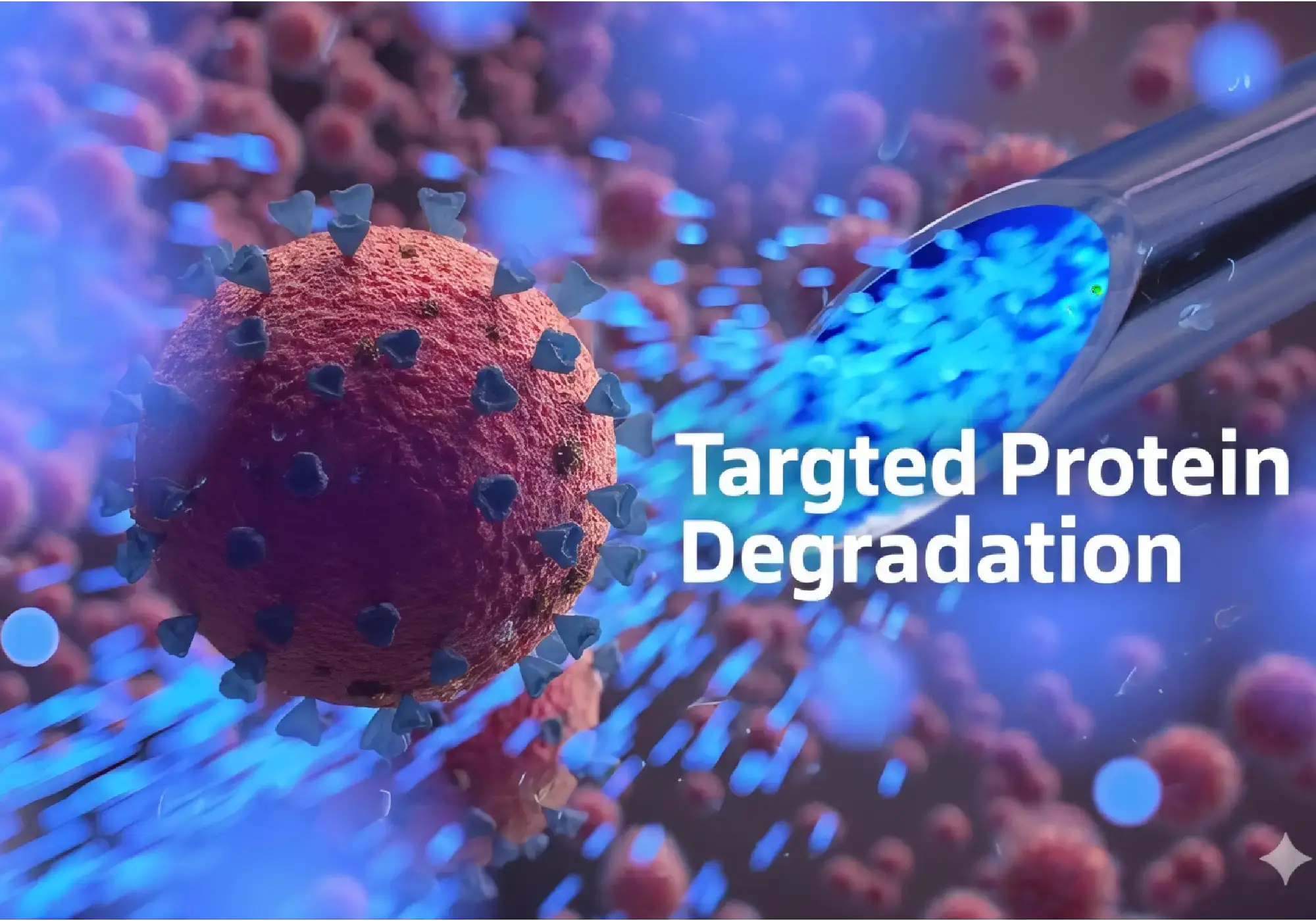
Targeted Protein Degradation: How PROTACs & Molecular Glues Are Revolutionizing Drug Discovery
PROTAC-based targeted protein degradation uses your cell’s own recycling system to completely remove harmful proteins instead of simply blocking them. With AI speeding up drug design and several candidates already in Phase 3 trials, this breakthrough is transforming the way we fight cancer and many other diseases.
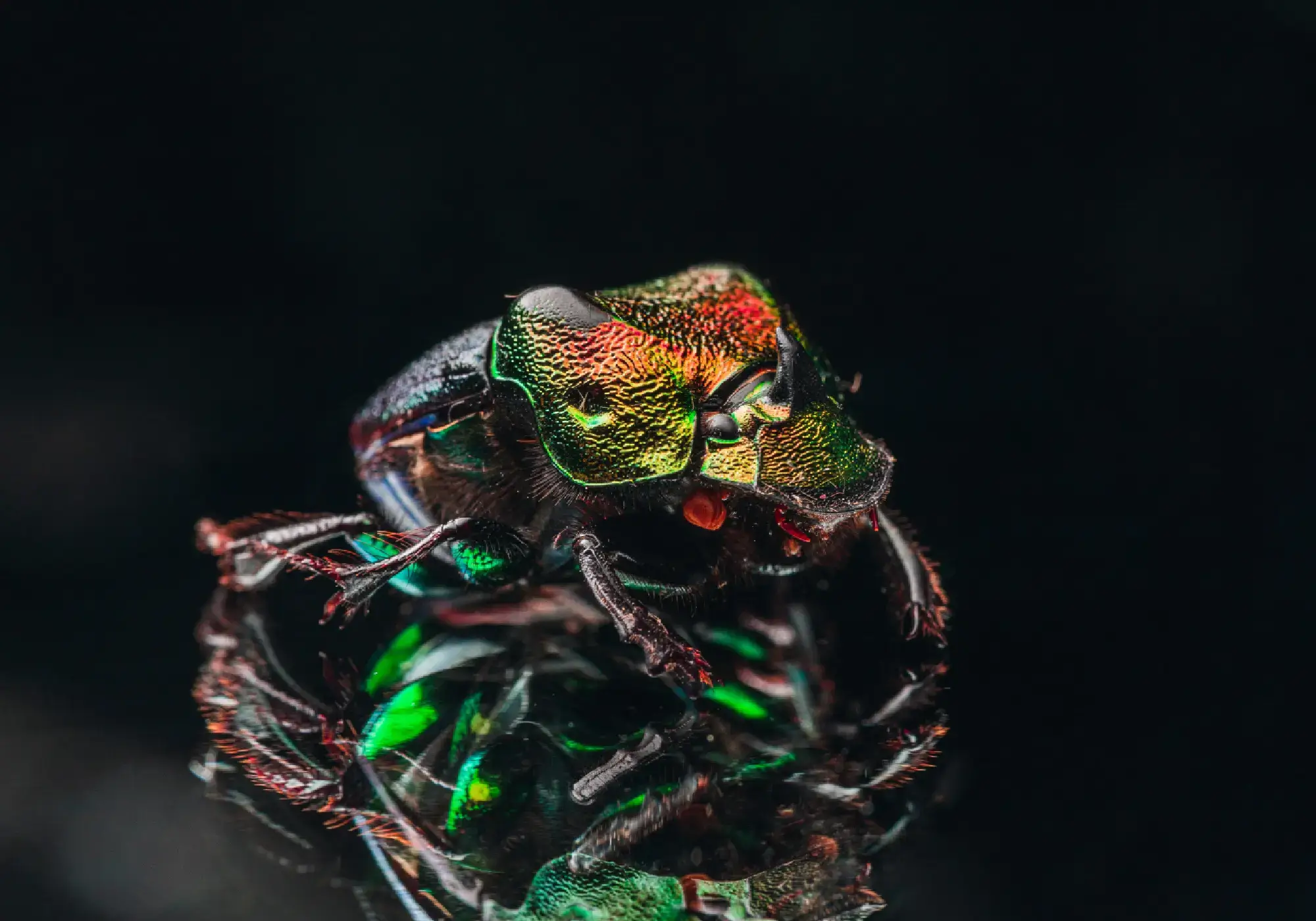
Invasive Species in the U.S.: Major Threats to Ecosystems and How to Stop Them
One Invasive Species Changed Fire Patterns Across 100 MILLION Acres of the American West.