

You wake up one morning and feel a sharp, burning pain in your big toe. Maybe it’s your knee this time, swollen, warm, and you feel hard to move. You go to the doctor, get a blood test, and hear three words that change everything: high uric acid and you are handed a long list of foods to avoid, but no one clearly tells you why these foods are a problem or how you can adjust your diet plan without sacrificing your favorite meals. If you’re nodding right now, you’re definitely not alone. Across India, Pakistan, and South Asia, millions of people face high uric acid levels, most of them don’t even realize it until pain suddenly shows up. With the right uric acid diet plan, you can naturally bring your uric acid levels under control, reduce inflammation, and stop painful gout attacks before they begin. By the end of this guide, you’ll clearly understand what to eat, what to cut down, and how simple food science can transform your metabolic health. Whether you’re searching for a low-purine diet for gout or a practical uric acid control meal chart that fits South Asian cooking, this article has everything you need, backed by science and made for real kitchens. What Is Uric Acid? Let’s start with something simple. When our body breaks down purines, it naturally produces a waste substance called uric acid. Purines come from many foods we eat, like meat, seafood, and some vegetables, and our body also makes them on its own when old cells break down and new ones form. Here’s how the process works: When everything is working right, the kidneys filter out extra uric acid and pass it out of the body through urine. But trouble begins when the body makes more uric acid than it should, or the kidneys fail to remove enough of it. This buildup in the blood is known as hyperuricemia. If high uric acid levels stay in the bloodstream for too long, they start forming sharp, needle-like crystals in the joints and surrounding tissues. These crystals irritate the area, causing inflammation, swelling, and sudden, intense pain, the classic signs of a gout attack. What Are Normal Uric Acid Levels? According to major health authorities like the Mayo Clinic and Cleveland Clinic, healthy uric acid levels should be: When our levels exceed these thresholds, especially above 7.0 mg/dL, our risk of gout attacks and kidney complications increases significantly. Understanding these numbers empowers us to track our progress and set realistic health goals. Can Diet Actually Lower Uric Acid? (Expectation vs. Reality) Let’s handle the question everyone asks: Can I fix this with diet alone? The honest, science-backed answer is: Diet can help significantly, but it’s not always a complete cure. Studies published in medical journals show that when a person sticks to a strict low-purine diet, their uric acid levels can drop by about 0.5 to 1.0 mg/dL within a few weeks. For people with slightly high levels, around 6.5 to 7.5 mg/dL, this small drop can make a big difference. It may help them stay off medication and prevent painful gout attacks before they even start. When Diet Works Best A dietary approach is most effective if: When You Need More Than Diet If your uric acid levels are very high (above 8.0 mg/dL), you’ve experienced several gout attacks, or your kidneys aren’t working properly, then medication becomes crucial. In such cases, doctors often prescribe medicines like allopurinol or febuxostat to actively lower uric acid production. Your diet works like the base of your health routine, while medication acts as the support when things go beyond what food changes alone can manage. When both work together, they build a solid long-term defense against high uric acid. Diet-Only vs. Medication Strategy: Condition Recommended Strategy Mild Hyperuricemia (Levels 6.0–7.0 mg/dL) & No history of gout attacks. Diet-only Strategy: Focus intensely on lifestyle changes, hydration, and purine control. Re-test in 6–8 weeks. Moderate to Severe Hyperuricemia (Levels >8.0 mg/dL) & History of gout or kidney stones. Medication and Diet: You will likely need urate-lowering drugs (like Allopurinol) to bring the level down quickly and safely, while using diet to support metabolic health and maintain the lowered level. If you want to explore more about how diet and metabolism connect to gout, The Gout Diet Cookbook: A Complete Guide by Harlan Josh Walsh is a great resource. It breaks down meal planning with research-backed advice in a simple, practical way. Foods That Increase Uric Acid — Complete Avoid/Limit List Your best defense starts with knowing which foods cause uric acid to rise. Let’s look at the main offenders and understand why they create a problem. High-Purine Meats and Organ Foods Red meat and organ meats sit at the top of the high-purine food list. When you eat liver, kidney, brain, or heart, you take in a heavy dose of purines, and your body quickly turns them into uric acid. Foods to strictly avoid or minimize: Even a small serving of organ meat can quickly raise uric acid levels. If you often enjoy dishes like kaleji fry or gurda curry, try swapping them with protein options that are lower in purines for a healthier routine. Seafood High in Purines Some types of fish and shellfish are high in purines, and these can raise your uric acid levels. If you enjoy seafood, this can feel challenging, but knowing which options to avoid or limit helps you make better choices and still enjoy your meals. High-risk seafood: The Hidden Danger: Fructose and Sugary Drinks Most people don’t realize this, but the way your body handles fructose has a direct effect on how much uric acid your liver produces. When you consume high-fructose corn syrup or too much sugar, your liver quickly breaks down purines, which then pushes uric acid levels higher, even if you haven’t eaten any meat at all. Major fructose sources to limit: Just one can of soda can raise your uric acid by around 0.5 mg/dL

Metal Organic Frameworks: The Simple Science Behind MOFs
Metal-Organic Frameworks (MOFs) just shook the science world with a Nobel Prize win, thanks to their game-changing design. Imagine tiny sponges with an incredibly large internal surface — that’s what MOFs are. They’re opening new doors in solving real-world problems like CO₂ capture, clean water collection, and hydrogen storage. Let’s break down the simple science behind this powerful breakthrough in a way that actually makes sense.
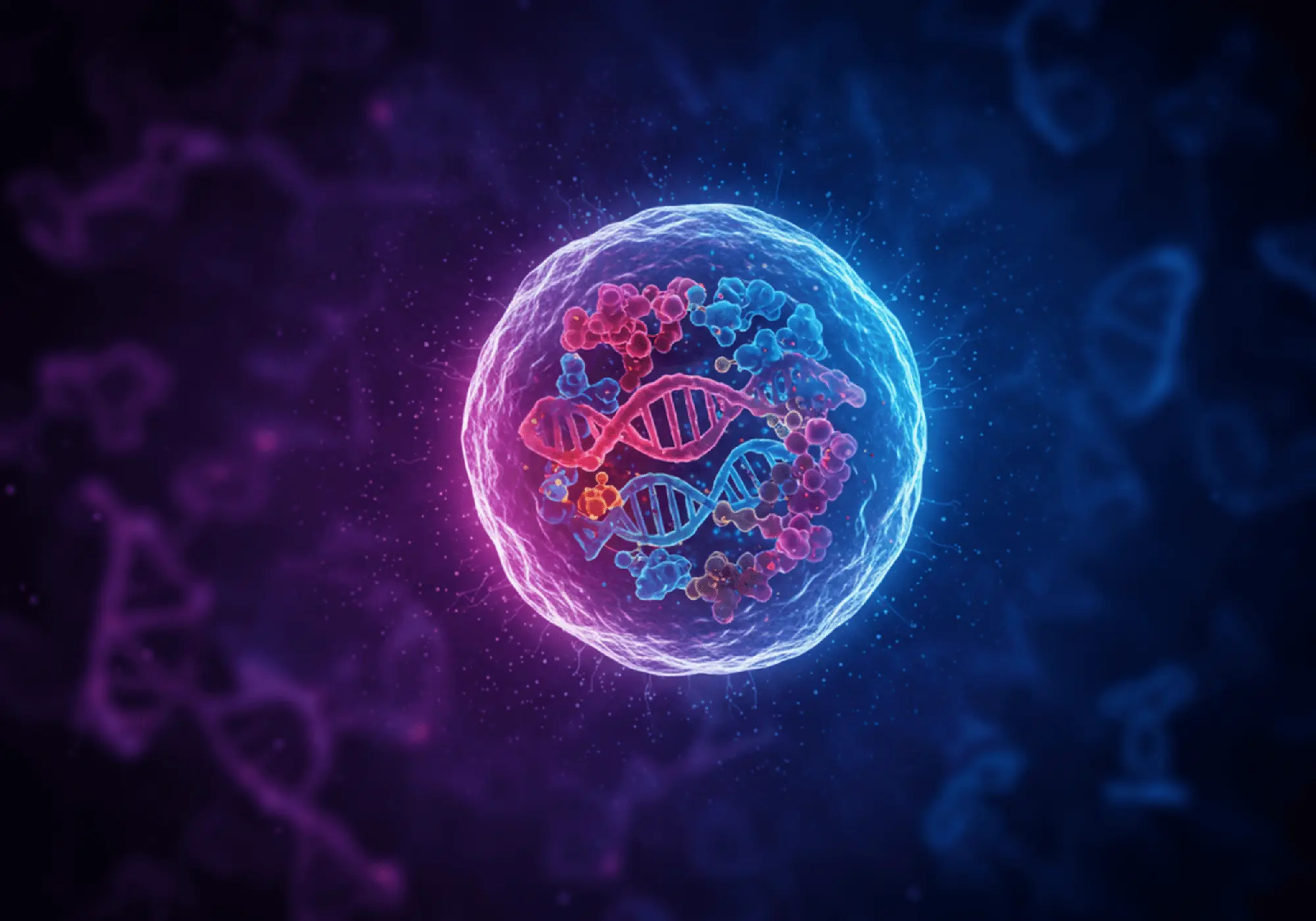
Single-Cell Multi-Omics: Simplifying the Secrets of Cells, One at a Time
Single-cell multi-omics is transforming biology by studying DNA, RNA, proteins, and metabolites from individual cells all at once. This powerful technology uncovers the hidden diversity among cells, reshapes how we treat cancer, maps the complex networks of the brain, and drives the rise of truly personalized medicine, completely redefining how we understand life itself.

Boeing Starliner | A New Era in Space Travel
The Boeing Starliner is a groundbreaking spacecraft designed for transporting astronauts to the ISS, restoring U.S. space launch capabilities. With advanced technology, safety features, and reusable components, it aims to stimulate commercial space growth, enhance scientific research, and inspire future generations in STEM, significantly impacting the landscape of space exploration.