
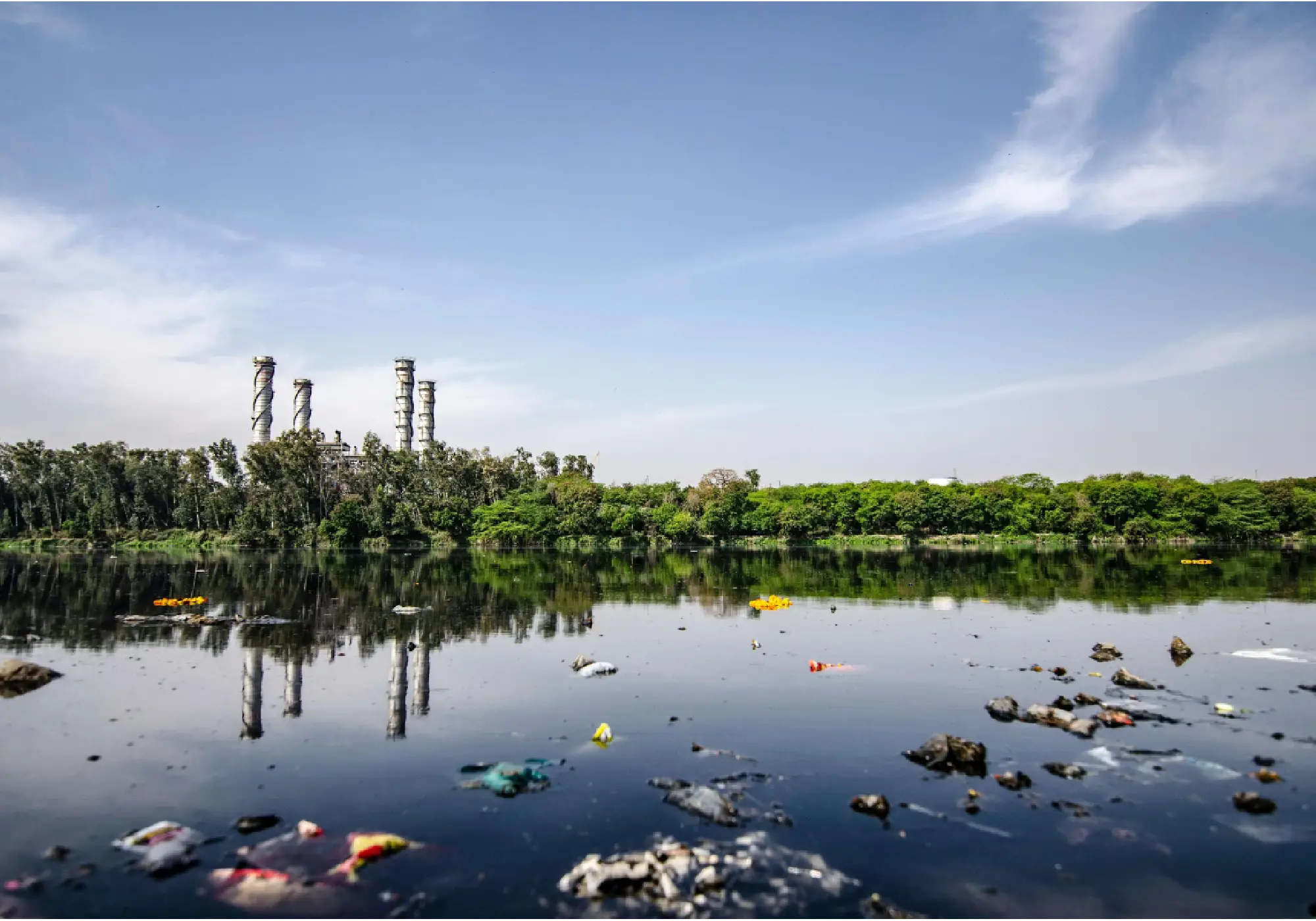
Clean water is a great blessing. It is equally essential for both humans and animals. We all understand the importance of clean water. Schools, colleges, and communities emphasize its significance, although we see polluted our water has become today. We often see images of our beaches filled with plastic bottles and bags. It doesn’t stop here. Tiny plastic particles, even smaller as a grain of rice, are polluting our rivers, oceans, and even our drinking water. These tiny particles are known as microplastics, and they are the most critical issue of our time. But, we know that this is not just a problem of today. The future of our coming generations also depends on it. Hence, addressing this issue is crucial. Organic chemistry is playing a major role in microplastic pollution. Scientists are exploring innovative solutions to control this environmental crisis. In this article, we will explore how organic chemistry is used to control microplastic pollution and purifies our drinking water. We will first understand that what are microplastics and how they affect human health. Then, we will explore how organic chemistry is playing its role. We will examine the new solutions being developed. There will be some examples included. We will also discuss the challenges we face and explore how we can play our part in it. So, let’s get started. Microplastics and Their Effect on the Environment Microplastics are tiny particles with a size of less than five millimeters, much like a sesame seed. The question arises, where do they come from? How they are formed? The simple answer is that they are found everywhere. As for how they are formed, let’s dive into the details. They are found in cosmetics, which are particularly popular among women. They exist in clothing fibers like polyester, and even in our favorite hoodies, plastic bottles. Over time, when this martial break down, they generate these tiny particles. According to a study, more than 24 trillion pieces of microplastics are floating on the world’s oceans. Microplastics equally impact the health of both humans and animals. Because they are made of chemical compounds, when ingested, they can lead to various diseases. Aquatic creatures, including fish and turtles, when searching for food often consume microplastics as their food. These chemicals settle in their stomachs and cause various infections in their reproductive and immune systems. Similarly, when humans drink polluted water, it gives rise to various diseases. Up to this point, we have understood that what are microplastics and how significantly they can impact our health. Now, let’s check how organic chemistry can offer solutions to these challenges. The Role of Organic Chemistry in Microplastic Pollution As we know, organic chemistry is a branch of science that focuses on the study of carbon related molecules, and guess what? Plastics are also made of carbons. This is the point, where organic chemistry is considered as an excellent tool for fighting microplastic pollution. Chemists use their skills to design new materials, like sustainable packaging materials, that can serve as alternatives to plastic materials. They are also constantly working on innovative solutions to remove these tiny particles found in the environment. Because they understand how these plastics are created at the molecular level, they are in a strong position. This knowledge helps them come up with clever solutions to tackle their impact. Are you eager as I am to learn about these solutions? So, let’s dive in and check out some of these exciting ideas. 1. Creating eco-friendly options that break down naturally I think it is a magnificent approach to create a type of plastic that naturally decomposes. On the other hand, regular plastic takes hundreds of years to break down. Keeping this in mind, organic chemists developed a material known as Polylactic Acid, which is made from corn scratch. Now it is widely used in packaging materials, because it offers a biodegradable choice compared to traditional plastics. Another material, Polyhydroxyalkanoates, which is derived from bacteria. This versatile material can be used in a wide range of applications, from packaging to medical devices. It is true that biodegradable materials can help in reducing microplastics in the environment. However, challenge remains there in scaling up their production to meet global demand. Moreover, ensuring that these materials will decompose in all environments, including marine ecosystems, is a difficult task. It requires further research and development. 2. Better filtering and breaking down techniques Another technique is to filter out the tiny particles found in water or break them down into harmless fragments. Organic chemistry is providing latest ways in microplastic pollution. Although, chemists are working hard on the development of Photocatalysis. These materials are generally inactive. However, when exposed to sunlight, a chemical reaction starts. This reaction breaks down harmful substances like microplastics present in water or air into less harmful substances. Another method is enzymatic degradation, where small proteins called enzymes chew up plastics as if they were snacks. Scientists performed an experiment to check the ability of catalysts. In this experiment, polluted water was used, and a specific catalyst was added to it. The result of this experiment was astonishing, as the catalyst managed to remove 90% of the microplastics. This was really a remarkable outcome, right? 3. Detection and Monitoring Innovations Before eliminating anything, it is essential to find it first and then understand it thoroughly. Organic chemistry is helping us in this situation as well. Scientists use fluorescence based tagging, where glowing dyes are added to microplastics. When these tagged particles are observed under the microscope, they light up. Another very important technique is spectroscopy, it analyzes the molecular structure of plastics. This method even helps us to pinpoint the specific type of these tiny particles. Once we analyze where microplastics are hidden, it becomes easier to devise strategies to stop them. Want to see these ideas in action? Let’s take a look at real world applications. Real-Life Uses and Success Stories According to latest studies, some water treatment plants are already equipped with advanced

The Ultimate Guide to Organoids for Disease Modeling and Drugs Discovery
Organoids, tiny 3D lab-grown organs, are changing how we study diseases like cancer and test new medicines. These models act more like our own bodies, speeding up the search for effective treatments and paving the way for personalized medicine.

James Webb Uncovers Twin Stars in WL 20 System
The James Webb Space Telescope spots JWST twin stars in WL 20, revealing a hidden duo in a starry nursery. This find flips our ideas about star birth, hinting at new planets forming in a cosmic dance!

Introduction to Artificial Neural Networks Structure to Boost AI Accuracy
Discover how artificial neural networks power AI! This beginner-friendly guide explains their brain-like structure, boosts AI accuracy, and shares tips to start building your own. Dive into the Introduction to Artificial Neural Networks and unlock AI’s potential today!