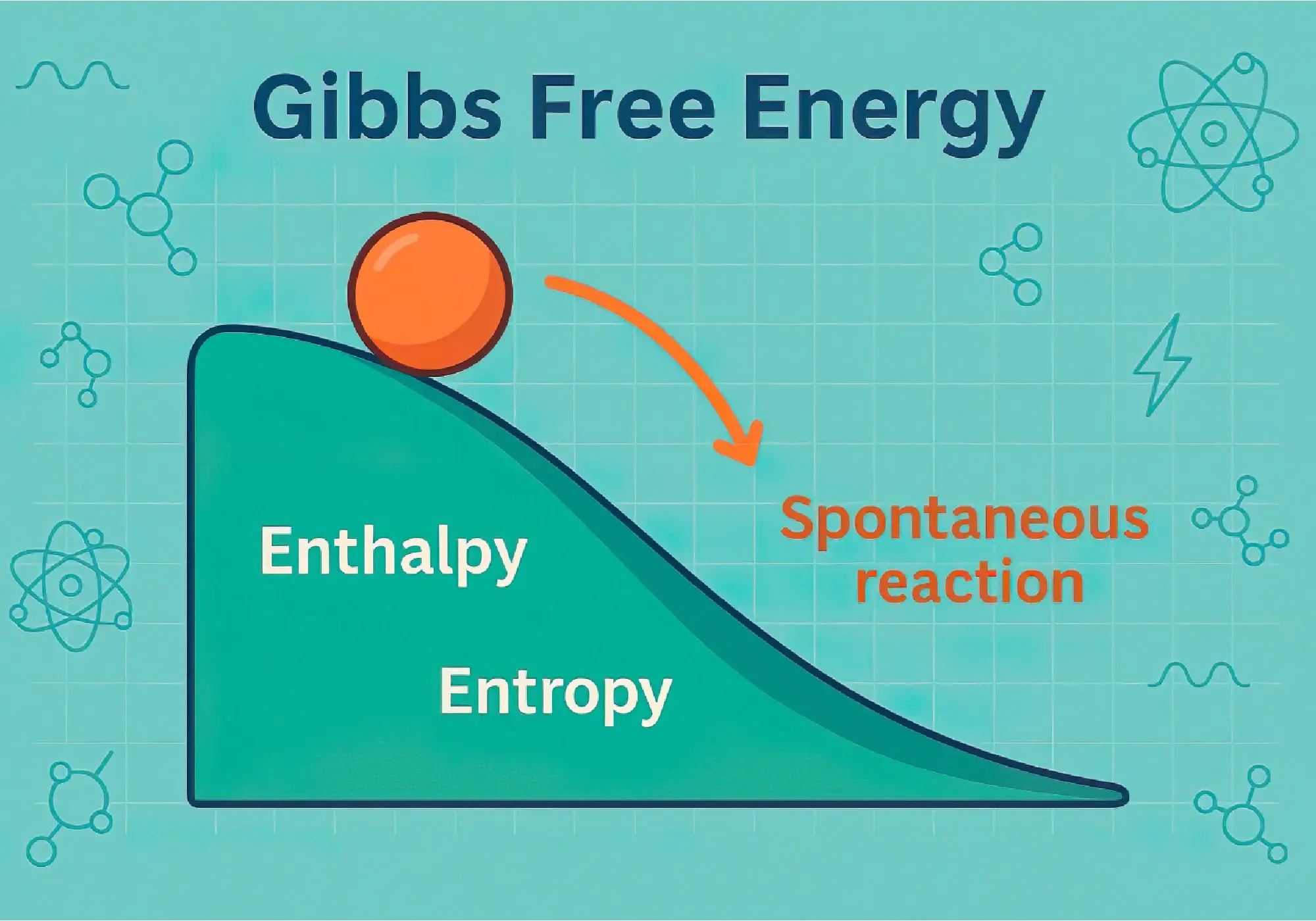
Gibbs Free Energy predicts if reactions like ice melting are spontaneous. Using the formula ΔG = ΔH – TΔS, it balances enthalpy and entropy. Learn its role in biology, industry, and energy in this beginner-friendly guide!

How Phages and Smart Therapies Are Battling Antibiotic Resistant Superbugs
Antibiotic-resistant superbugs threaten millions, but phage therapy and smart therapies like CRISPR offer hope. These innovative solutions target bacteria with precision, as seen in a cystic fibrosis patient’s recovery, paving the way for effective antibiotic resistance solutions. #Superbugs

How Nuclear Power Plants Work to Power Our World Safely
Discover how nuclear power plants generate clean energy through fission, with robust safety measures ensuring reliability. Learn the process, debunk myths, and explore nuclear’s role in a sustainable future in this insightful blog post.
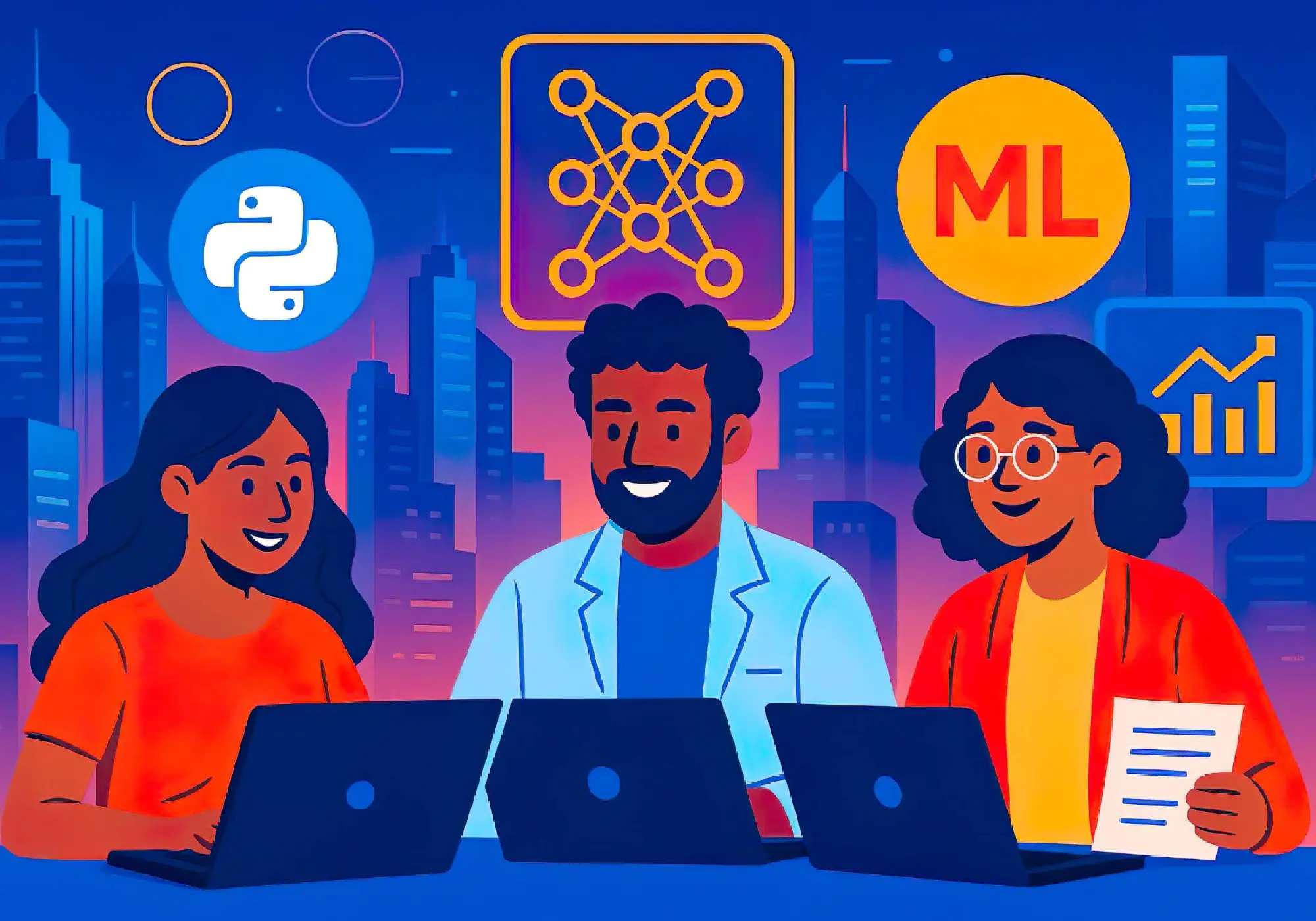
How to Learn Machine Learning Without a Computer Science Degree
Entering the field of machine learning without a computer science degree might seem daunting. Especially if you have a background in marketing, biology, or education. But you can totally get into ML, even if your degree is in something like business or the humanities. There are a lot of self-taught ML engineers. They come from different fields—such as psychology, graphic design, and more. In this post, I’m going to lay out a practical, step-by-step guide to help you master the essential concepts and tools of machine learning. We’re going to debunk some myths, showcase real success stories, and arm you with a solid 6 to 12-month learning plan. By the time you’re done, you’ll realize that your unique background isn’t a setback; it’s actually a strength in the world of AI and data science. Why Machine Learning is Accessible to Everyone Machine learning is shaking things up in 2025. It’s making an impact in areas like healthcare, marketing, and finance. And you don’t have to have a computer science degree to get involved. A lot of folks think you need to be a coding whiz or a math genius, but that’s just not the case. There are plenty of straightforward resources out there to help you get started. For example, Egor Howell. He’s a physicist who didn’t have a CS degree, but still managed to become a machine learning engineer. He taught himself and sent out over 300 job applications! His journey highlights that hard work can lead to great things. Machine learning has something to offer in various industries, and having a mix of viewpoints can lead to innovative solutions. As one of Self-Taught ML Engineer said; I started with no CS background, but persistence and the right resources led me to my dream job. For more such inspirational quotes visit our science quotes page. The World’s Demand and Opportunities for Non-CS Backgrounds Machine learning jobs are on the rise these days. Many companies such as Upstart are looking for talent from all sorts of educational backgrounds—not just someone with a computer science degree. A lot of these positions don’t demand extensive coding skills. Seriously! If you’ve got a good understanding of data and can use ML tools to fix real-world issues, you are already ahead of the game. So, what kinds of roles can you shoot for? Let’s dive into that! Building Your Foundational Skills If you are getting into the world of machine learning, a solid command of math and programming is very helpful. But don’t stress about being a pro right off the bat! Just knowing a few basic things can make a difference. It will help you fix your head around those ML algorithms and interpret the results a lot better. So, take it step by step, and you’ll get there! 1. Focus on Practical Math: Linear Algebra, Probability, and Statistics When it comes to machine learning, linear algebra, probability, and statistics are the foundations. But you don’t need to dive deep into the theory to get started. Linear algebra is very helpful for representing data with vectors and matrices, which is important for algorithms like neural networks. Consider image recognition as an example. They are basically matrices made up of pixel values that we process using matrix operations. Then there’s probability. It’s what helps models make predictions, like figuring out whether an email is spam or not. And let’s not forget statistics! It’s key for analyzing data, using things like the mean and standard deviation to summarize datasets or assess how well our models are doing. If you are looking for resources, check out 3Blue1Brown. They have some fantastic visual explanations that really help build your understanding. The infographics they offer on linear regression or probability distributions can be a game-changer. Ultimately, just focus on the practical applications; it makes these concepts even less intimidating as you embark on your ML journey! 2. Start Journey with Python Python is the most popular language for machine learning. It is user-friendly and comes with powerful libraries like NumPy, Pandas, Scikit-learn, and TensorFlow. You don’t have to do some web development to get started. Just get the basic knowledge of variables, loops, functions, and data structures like lists and dictionaries. If you’re wondering where to kick things off, check out resources like Coursera’s “Python for Everybody.” You can also read the book “Python Crash Course” by Eric Matthes. Those are solid starting points. You can also check YouTube channels like sentdex that offer great tutorials specifically for machine learning in Python. These resources simplify the learning process for beginners, making it easier to handle data and build models. Step-by-Step Roadmap to Learning ML: A 6–12-Month Plan Diving into machine learning without having a computer science degree is totally doable now! If you take it step by step, you can really make it happen. So, let’s lay out a roadmap that you can follow over the next 6 to 12 months. Phase 1: Start with Basics (Months 1–3) Start with the basics: learn basic Python and simple machine learning tools. Focus on: You will also learn important skills like data cleaning and exploration. Phase 2: Intermediate Skills and Building Your Portfolio (Months 4–8) Once you are comfortable with the basics, start learning bit advanced tools. Topics to cover: Start real projects and upload your work to Kaggle or GitHub. Show what you’ve learned with examples like: Phase 3: Advanced Topics and Specialization (Months 9–12+) Now you’re ready to go deeper and specialize in an area that interests you. You can explore: This is also a great time to try open-source projects, contribute to community forums, or build a capstone project that shows off everything you’ve learned. Essential Tools and Resources For machine learning, there are some key tools you should know about. TensorFlow and PyTorch are your first choices for deep learning. Then there are Pandas, which is very valuable for data manipulation, and Scikit-learn, which helps with all those algorithms you’ll be working with. If you